

Hands-On to Hired: How TSTC Prepared Connor Crane
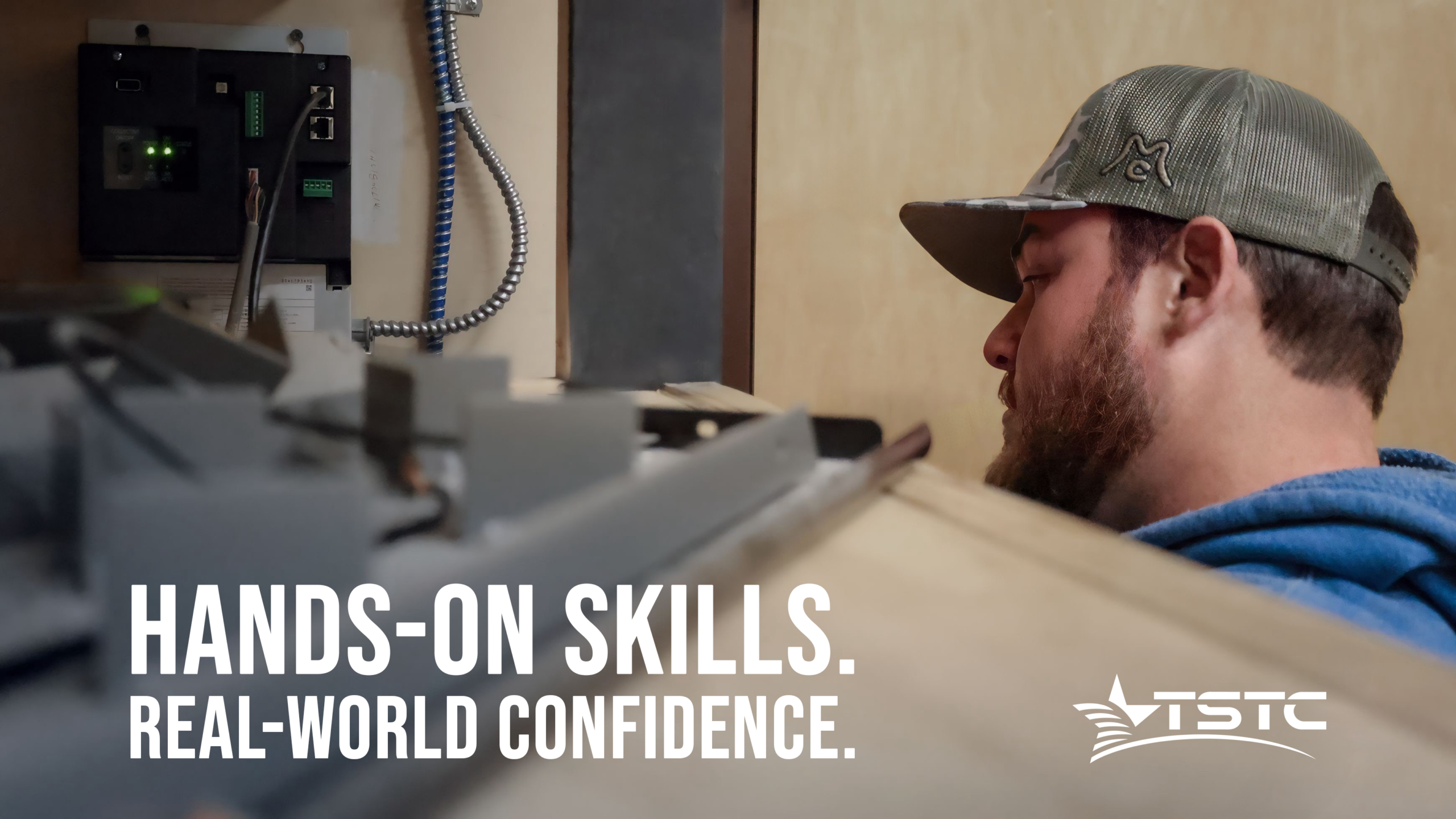
Connor Crane was ready to make his first repair after graduating. The unit hummed in the background as he connected his laptop to the system. Nervousness and excitement mixed inside him, much like the refrigerant and compressor oil circulating through the equipment he was servicing.
Two words ran through his mind: Uh-oh. The nerves began to outweigh the excitement. Connor didn’t realize it yet, but he was ready for this moment. His training had shaped him into an HVAC technician who could handle the pressure.
“School makes you think of the basics,” Connor said.
From PowerPoints to Practical Skills
When Connor graduated from high school, he thought he had his future mapped out. He enrolled at a four-year state school to study soil science, with hopes of designing and maintaining golf courses and baseball fields. It was a creative path—one that allowed him to shape something people could see and use.
Then COVID-19 hit. Instead of learning in a classroom, Connor found himself confined to his bedroom, clicking through lecture slides.
“I couldn’t do it,” Connor said. “I couldn’t sit on a computer just looking over a PowerPoint.”
After two years at a four-year university, Connor realized he needed a different path.
A cousin—an alumnus of Texas State Technical College’s Williamson County campus—encouraged him to explore the HVAC program, where learning takes place in labs rather than on slides.
HVAC quickly felt like the right fit. Connor liked that the program focused on real equipment and real-world troubleshooting. He wanted more than just a job; he wanted a skill he could use both professionally and in his everyday life.
“I’m a very hot-natured person,” Connor said. “So I figured if I can fix my own AC, I can make a living doing it—and keep everybody cool.”
Patience, Process, Progress
Once enrolled at TSTC, Connor approached the program with some skepticism. After two years of Zoom-era college, he wondered whether this experience would truly be different. Those doubts didn’t last long.
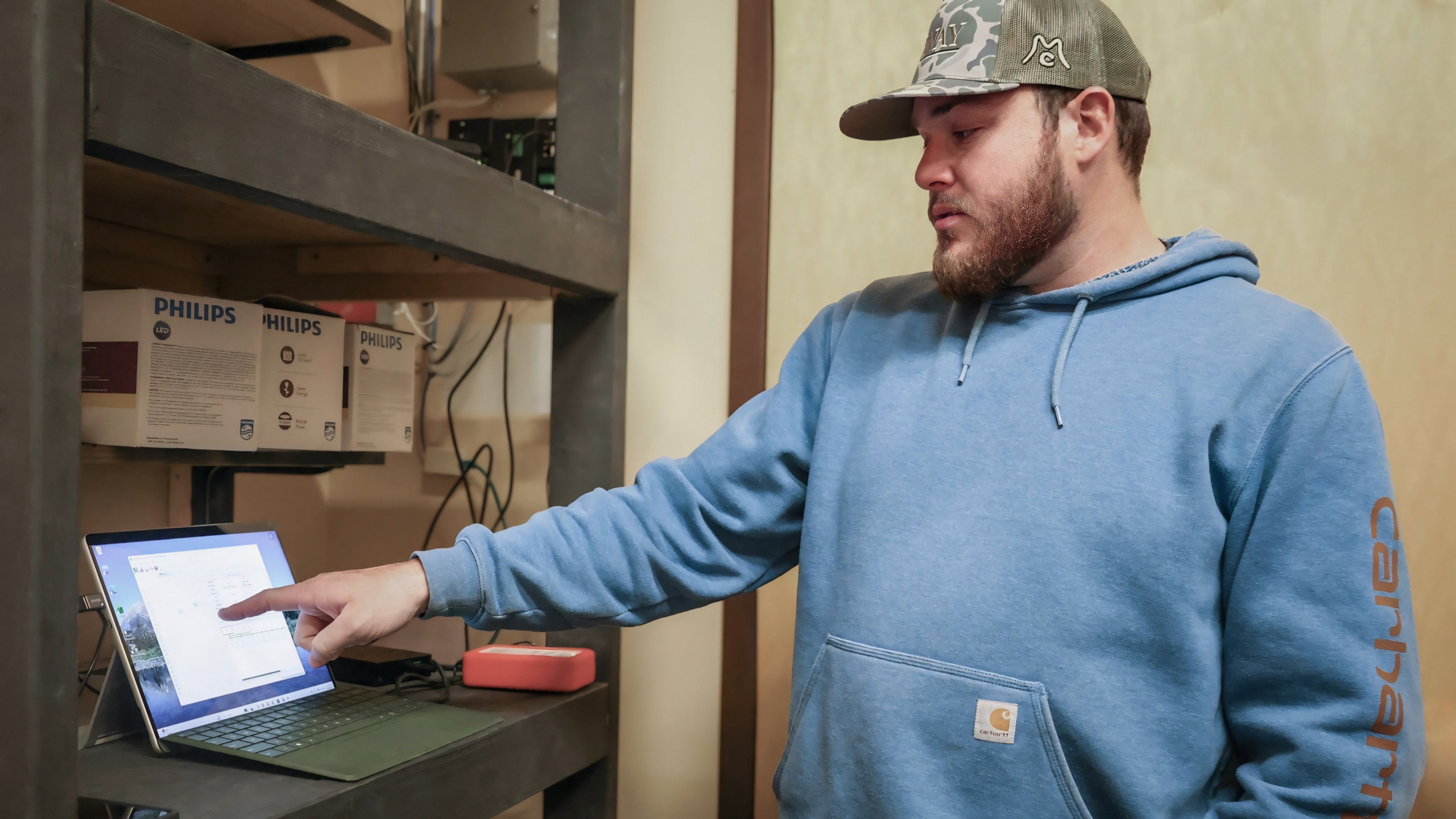
“Mr. Jayme Palady and Mr. Curtis Christian were there for me the entire time,” Connor said. “It actually made me feel comforted knowing they could sit there and explain things when I had questions.”
One moment in particular still stands out. Connor was working through the electrical side of a split system in the lab when, as he often did, he began to overthink the problem.
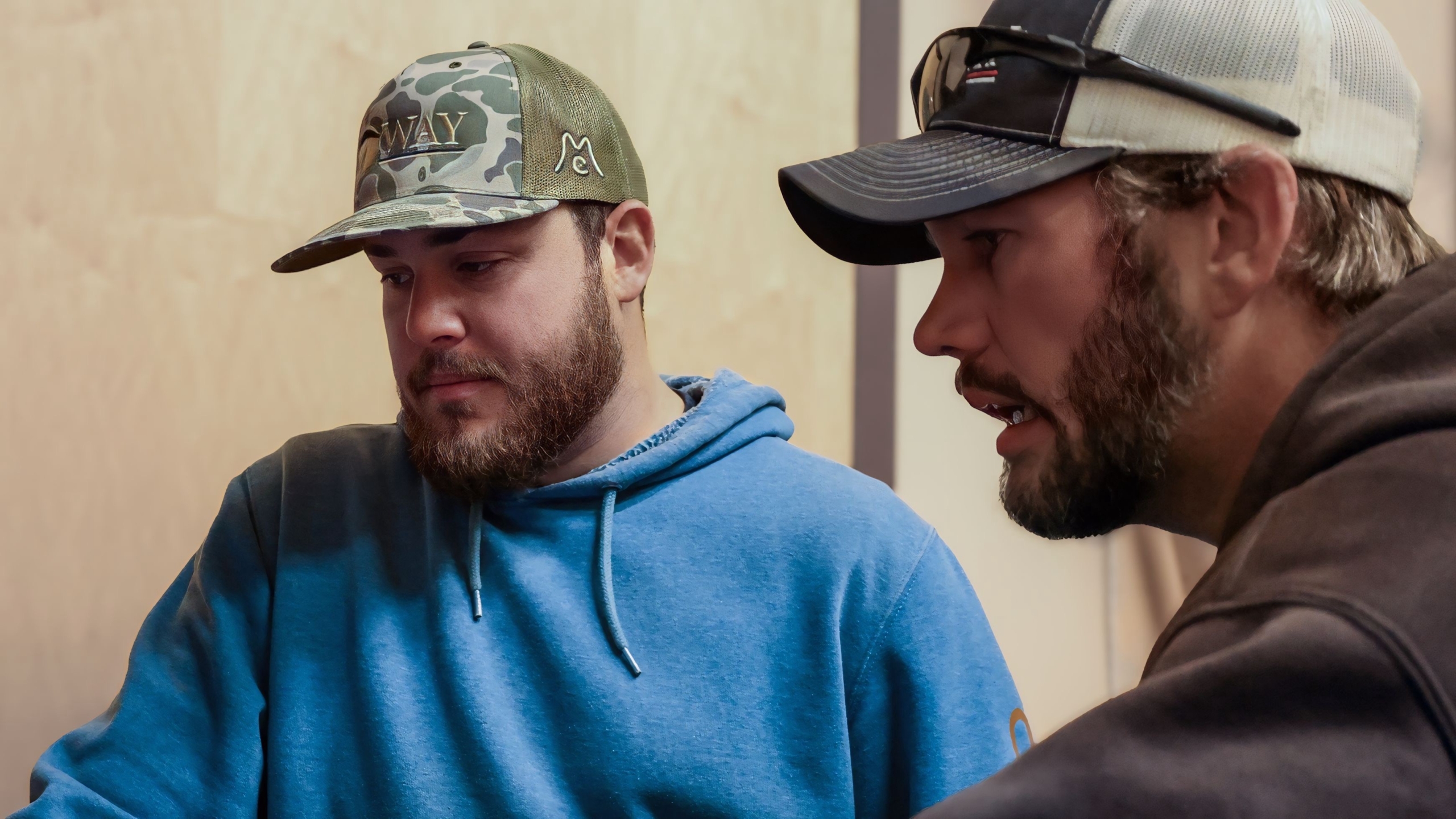
Palady walked over and reminded him to take a breath. There was no need to rush. He simply needed to slow down, check his readings, and trust the process.
“The HVAC field isn’t a time game,” Connor said. “It takes however long it takes. When you’re troubleshooting a unit, you’ve just got to slow it down. He made sure I knew to take my time, slow it down in my head, and go one step at a time.”
Persistence, Payoff, Purpose
Connor began to understand the importance of slowing down—an approach that paid off quickly after graduation.
With support from TSTC and his instructors, he started searching for job openings in the field. Even as he neared the finish line, Connor wasn’t fully healed from bunion surgery, but he pushed forward.
“I was in a boot and on crutches when I walked into my interview with Chris Morris,” Connor said. “For some reason, he liked me enough to hire me anyway, even knowing I wouldn’t be able to start for another two months.”
Even on crutches, Connor came prepared. Drawing on his training at TSTC, he impressed Way Mechanical with his methodical approach to problem-solving. He started with the basics, checked his readings, and followed each step instead of rushing to conclusions.
“We liked that Connor seemed to have a mechanical background and that he appeared to be the type of person who would work hard to advance,” said Chris Morris, Austin service branch manager for Way Mechanical.
After being hired, Connor continued building his skills the same way—by slowing down, staying methodical, and learning one job at a time. He earned trust by showing up prepared, communicating clearly with customers, and completing jobs the right way, not the fast way. That steady approach helped him grow with every service call.
Recognition, Responsibility, Rise
TSTC helped Connor lay the foundation for his future, and he has continued building it in the field. Now a technician for Way Mechanical, Connor already sees a path to promotion.
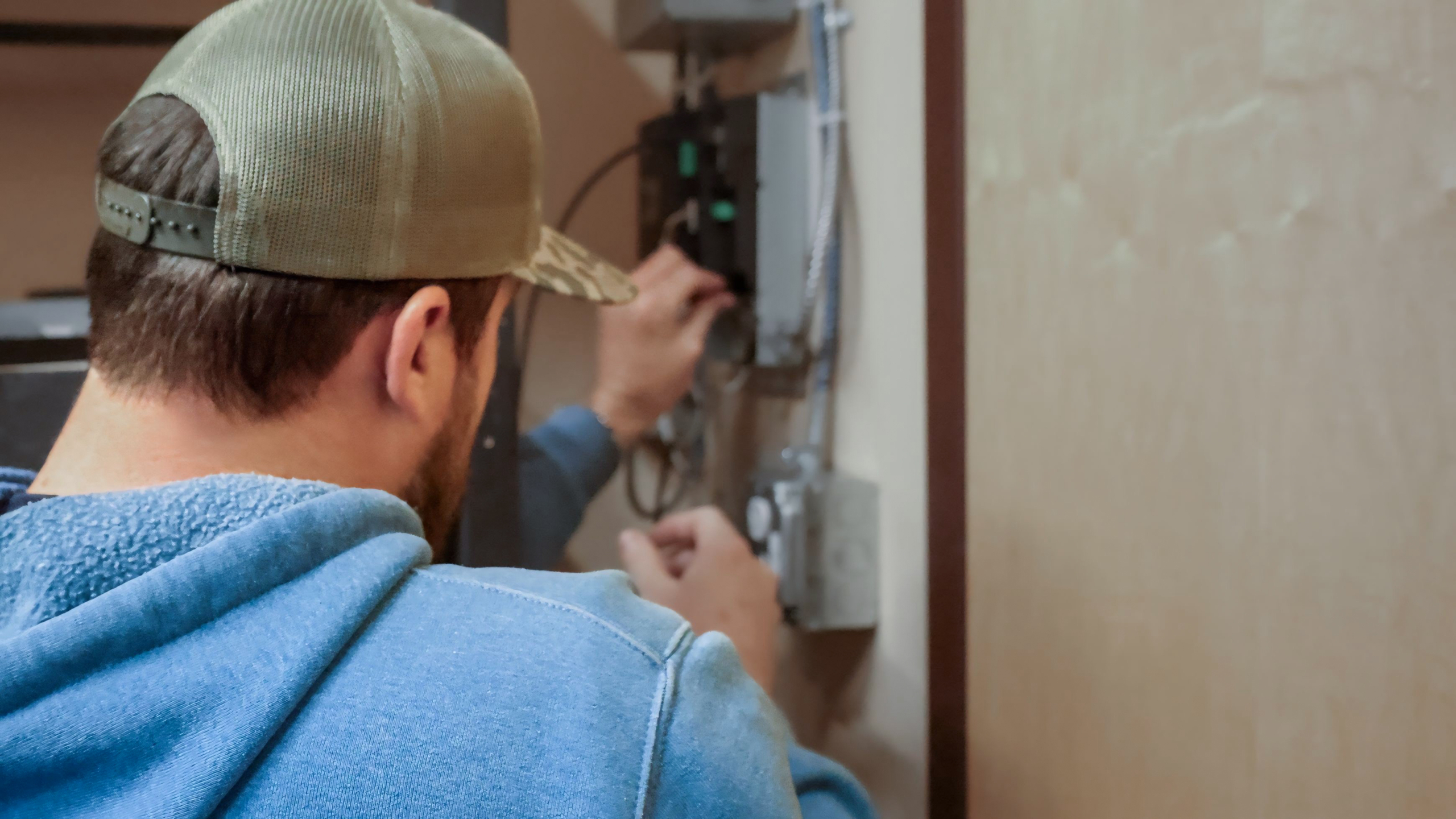
Day to day, he starts by checking the job board on his phone, speaking with the customer, and tracking down the issue—whether the unit is tucked in a closet or sitting on a rooftop. If a part is needed, he coordinates with the supply house and his office to provide the customer with a quote and a plan.
“I get there, check in with the customer, talk about the issue, and then I go find the unit and figure out what the problem is,” Connor said.
His work ethic is paying off. Way Mechanical recently named him its 2025 Technician of the Year—an award he had joked about with his boss just weeks before he earned it.
“It kind of validates where I am now,” Connor said. “I’m just making sure I’m on the right path.”
Now, Connor is stepping into a leadership role among the technicians, paying forward the support he once received when he was new.
“Trying to keep friendships and being a leader separate—and knowing when I can be in a leadership role and when I can be in a friendship role,” Connor said. “I just kind of differentiate those two sides.”
Eventually, Connor sees himself becoming a field supervisor or service manager. For now, he still feels that same mix of nerves and excitement each time he walks up to a unit, gauges in hand. The uh-oh hasn’t disappeared—he’s simply learned what to do with it: slow down, trust the readings, and take it step by step.