

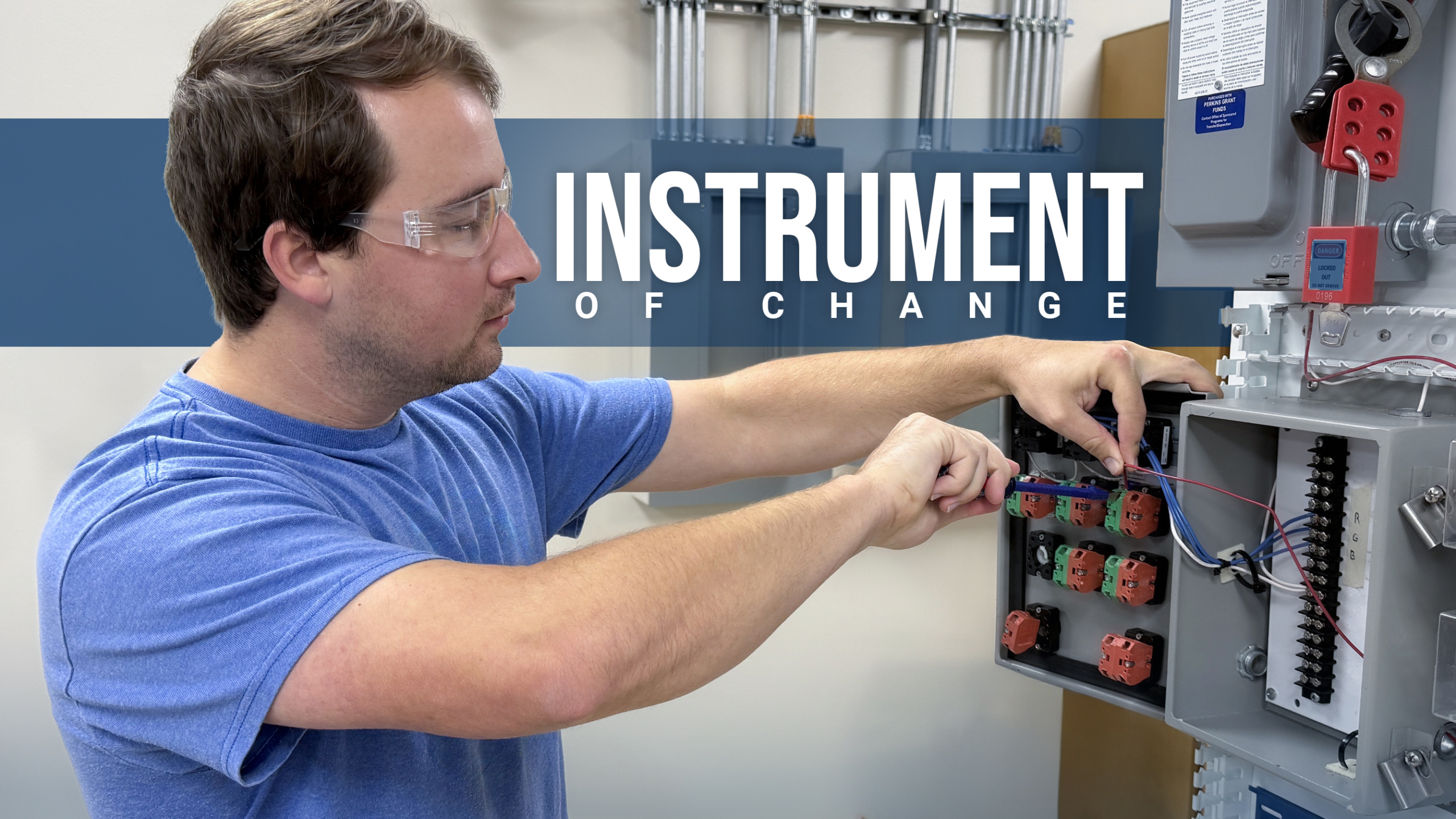
Instrumentation enabling students to gauge success on the frontlines of industry
Wilmer Eustache was once a sanitation worker cleaning buildings in California. It was the maintenance equipment he saw while working that was the inspiration for joining the U.S. Army to pay for the college education he strived for.
Eustache moved on to drive and maintain tanks at Fort Bliss in El Paso. When his military contract ended, he had a decision to make on what the next stage of his life would look like. The first step was attending a community college in El Paso.
But Eustache heard excellent reviews about another institution hundreds of miles away from where he was at. He toured Texas State Technical College’s Waco campus and chose to enroll in the Instrumentation program to fulfill a goal of becoming a controls technician in Texas. Instrumentation is the maintenance of flows, levels, pressures and temperatures in a range of industries, from advanced manufacturing to food production to petrochemicals.
The third-semester student, a native of Haiti, has found learning about calibration, AC and DC circuits and motor controls fascinating. He said he takes advantage of open labs on Fridays.
“When you wake up each morning, you feel something valuable,” Eustache said.
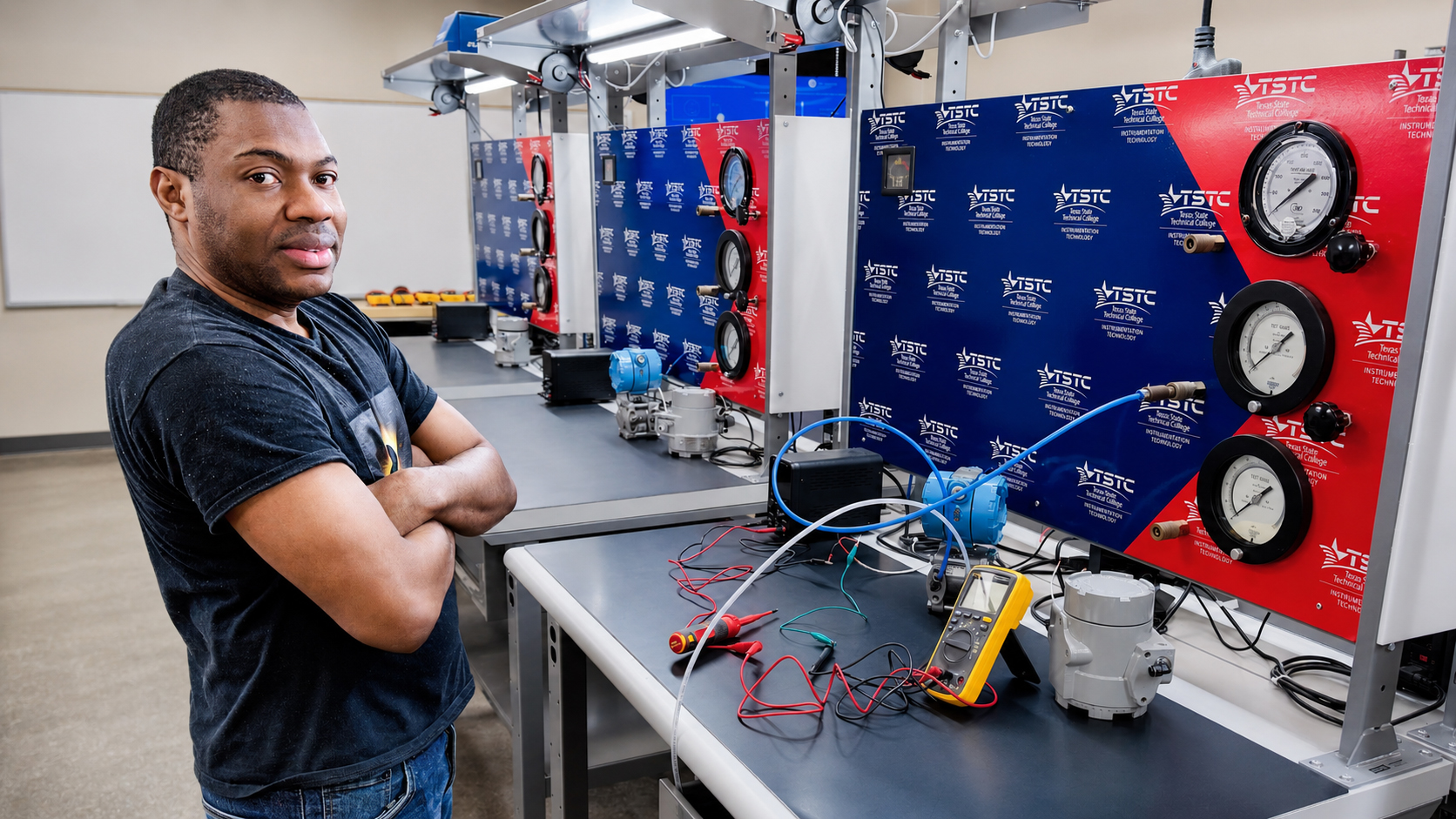
James Roach, an Instrumentation instructor at TSTC’s Waco campus, said military veterans pursuing the program bring the ability to think critically to figure out not-so-common solutions. Roach said the students also are an example of being engaged with coursework.
Recent Instrumentation program graduate Tristan Hewitt grew up in Robinson and spent slightly more than five years as a machinist mate in the U.S. Navy. His military career took him to Bahrain, India, Japan, Oman and other locations around the world.
“Similar to my new job, it was maintenance,” Hewitt said. “I was in charge of doing preventive and corrective maintenance on the distilling units, the hydraulics units, the air conditioners and a whole multitude of areas above the ship.”
When Hewitt left the military, he talked to a relative working at the Comanche Peak Nuclear Power Plant in Somervell County.
“I asked if I could get a job there, and he said I would have a much better chance of getting a job if I took the Instrumentation program at TSTC,” he said. “It was a no-brainer decision. You get your GI Bill, and they will pay for all your schooling and go as far as giving you a housing allowance.”
Hewitt said understanding the mechanical side of instrumentation went well, but he struggled some with the electrical side.
“Not only do you get a lot of muscle memory from wiring and calibrating, they (the instructors) also give you the theory and have us troubleshoot and use our brains on what the issue could be,” he said.
Hewitt graduated earlier this year with the program’s associate degree and is now a maintenance technician at Walmart’s dairy plant in Robinson. He primarily works in the blow-molder room, which produces half-gallon and gallon-size milk jugs.
According to the U.S. Bureau of Labor Statistics, the unemployment rate for all veterans was at 3.5 percent, compared to the 4.2 percent unemployment rate for nonveterans, in 2025. Of the estimated 294,000 unemployed veterans in 2025, 60 percent of them were between ages 25 and 34, according to the agency.
The labor statistics agency indicated there will be a need for more than 16,500 calibration technologists and technicians, while the nation will need more than 94,000 electrical and electronic engineering technologists and technicians, all up to 2034.
Meeting this demand are employers like Matherne Instrumentation. Based in Houma, Louisiana, the company also has locations in Lafayette, Louisiana, and Odessa in Texas’ Permian Basin. The company’s work in calibration, field services and zinc phosphate coating for the oil and gas industry includes choke pressure systems, mud flow sensors and pressure systems.
“We are a small company with about 80 employees,” said Chris Mistretta, the company’s vice president. “We have our own machine shop where we build parts, assemble, test and ship out.”
Mistretta said the instrumentation work his employees do is different from what is done at large refineries owned by BP, Chevron and other international companies.
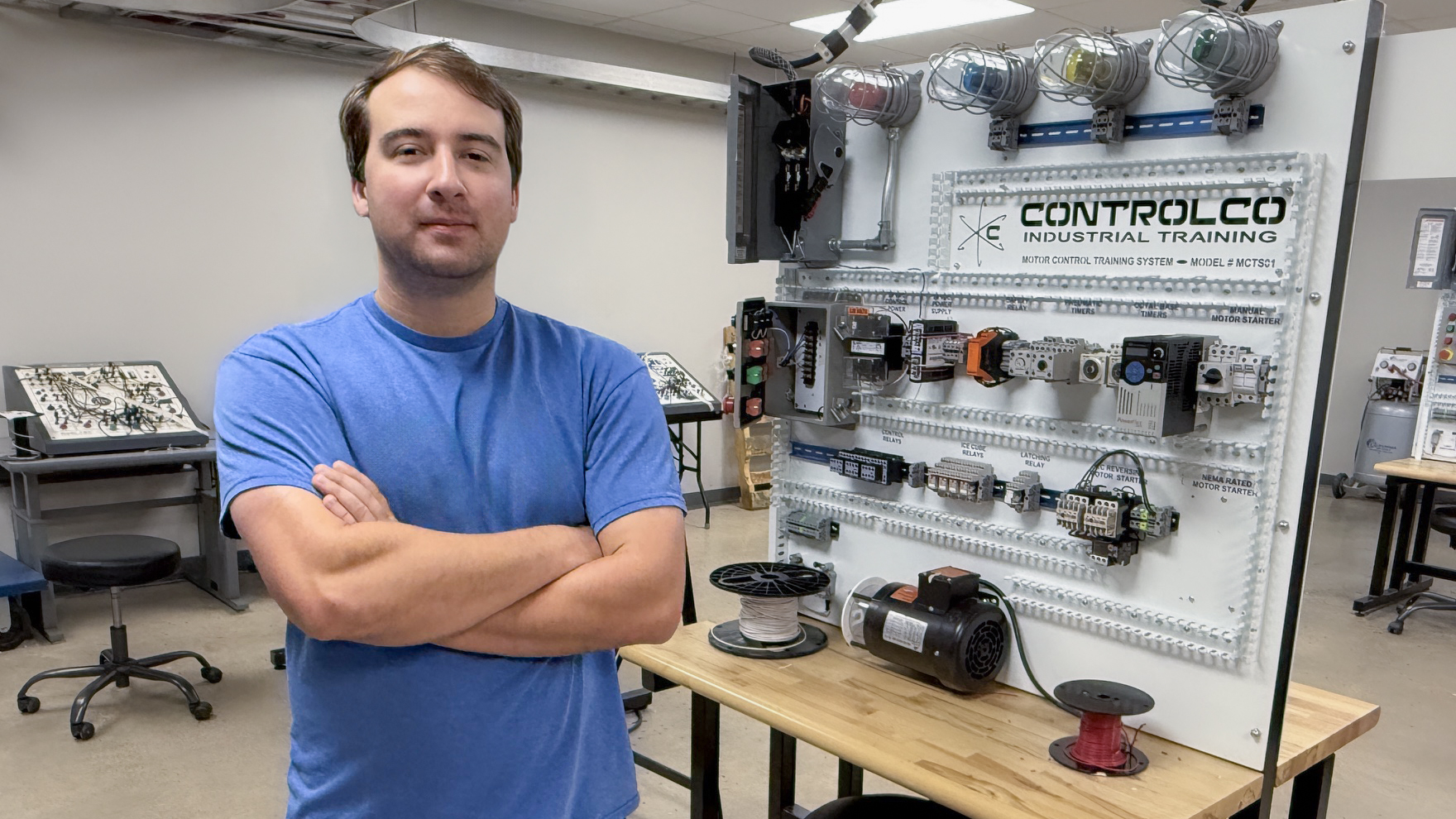
“It’s a totally different breed of character,” he said. “It’s pretty tough to find employees to come work here versus the plants. We do a lot of in-house training.”
The Permian Basin is fertile ground for the company because of the abundance of oil rigs. The region has more than 250 active oil rigs, according to the North American Rotary Rig Count for the week of June 26, 2026, compiled by Baker Hughes.
Monica Tschauner guides business retention, expansion and workforce development at the Odessa Economic Development Corp. She said workforce is always a topic of discussion when companies are studying Odessa and Ector County for expansion or new projects.
“Companies want to know there are training programs and people interested in this type of work so they can continue growing and operating successfully in our area,” she said.
Tschauner said as automation advances, the demand for individuals with technical training and skill sets to step into critical positions will only persist.
“We’ve seen the instrumentation field continue to evolve over the last several years as the industry continues to be more technology-driven,” she said. “While oil and gas is still the biggest part of our economy, the needs around automation, manufacturing and other technical skills continue to grow as companies are using more advanced technology.”
Registration continues for the fall semester at TSTC. For more information, go to tstc.edu.