
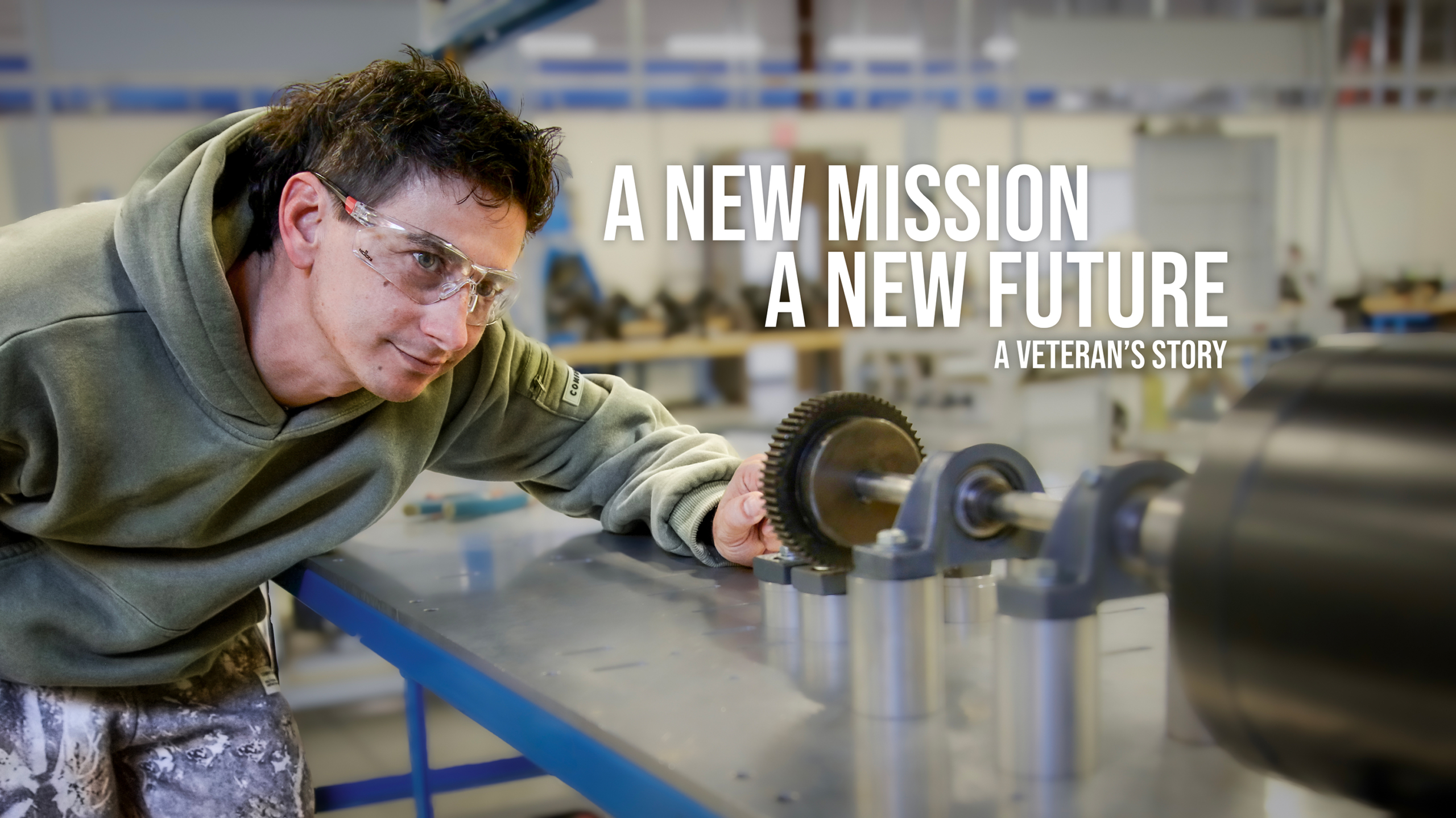
Under the Surface: Disabled Navy Veteran Rediscovers His Skills and Confidence with TSTC’s MEI Program
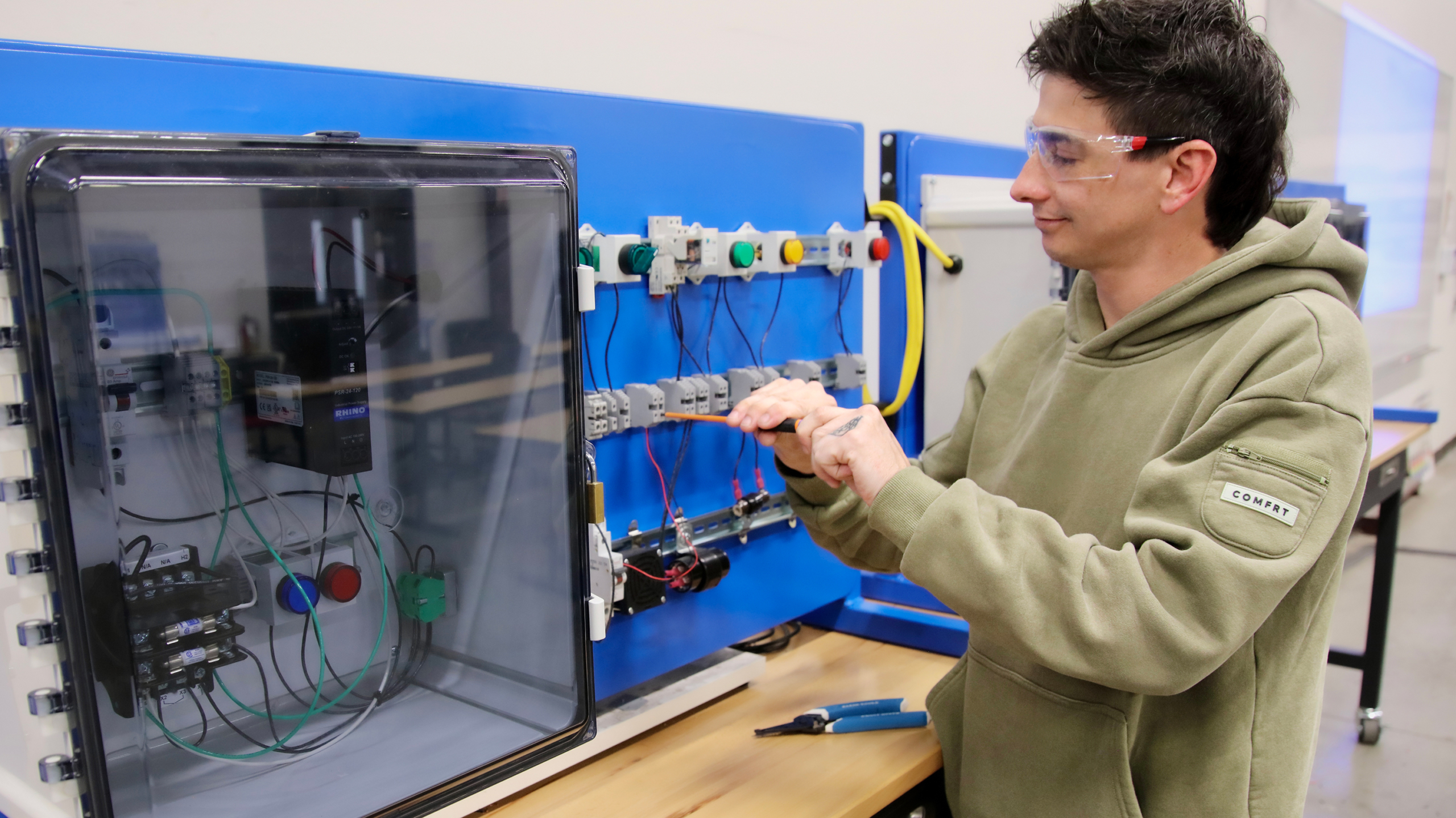
Texas State Technical College’s North Texas campus partnered with Compass Datacenters, a data center developer, to create the MEI (Mechanical, Electrical and Information Technology) Data Center Pathway program. The 12-week program trains participants to maintain equipment in the rapidly growing data center industry, covering topics ranging from HVAC systems to basic electrical theory.
“Through conversations with employers and analysis of workforce trends, we saw that traditional degree programs alone were not going to produce talent fast enough,” said Cindy Evans, director of accelerated training solutions at TSTC. “The industry needed highly skilled technicians who could be trained quickly and enter the workforce with the right competencies. What puts us on the front line of training is our model—TSTC was built to respond directly to industry demand.”
Michael Carvalho was part of the program’s first cohort.
A few years ago, Michael might not have believed that he would complete the program and go on to build a successful career as a multi-skilled operator at Compass Datacenters’ Red Oak location.
A U.S. Navy combat veteran, Michael sustained a traumatic brain injury during his service—an experience that took a great deal from him, including his confidence. With support from TSTC, however, he began to realize that those skills were not gone—just waiting to be rediscovered.
 A New Kind of Battle
Michael served in the Navy for 11 years, working in roles ranging from ship operations to aviation maintenance administration. However, his service took a sudden turn after he and several fellow service members were involved in a serious car accident.
“We hit one side of the road, and it pushed us across to the other,” Michael said. “We went down an embankment and rolled about eight times. The car ended up upside down.”
Whether it was the shock of the crash or the traumatic brain injury he didn’t yet realize he had sustained, Michael recalled getting up and walking away from the wreckage, unable to fully comprehend what had happened. He even refused assistance from paramedics at the scene.
It wasn’t until he returned home that the reality began to set in.
“I walked in the door, and my wife freaked out,” Michael said. “I didn’t realize it at the time—maybe I wasn’t fully aware—but I was covered in blood. You have to show your military ID to get onto the base, and I still don’t know why the guards didn’t say anything.”
Michael admits he didn’t properly address his mental health in the aftermath, even after leaving the military a short time later. Although his condition gradually improved over the next decade, he continued to struggle with brain fog.
In the meantime, he took whatever jobs he could to support his family—from food service to landscaping. At the time, the idea of returning to school or building a long-term career felt out of reach.
That began to change when he took a job as a janitor at Compass Datacenters’ Red Oak campus.
The Power of a YouTube Commercial
As artificial intelligence continues to expand, data centers are rapidly growing across the United States. The increasing demand for skilled workers prompted Compass Datacenters to partner with TSTC’s North Texas campus to develop a streamlined training program. The MEI program introduces participants to the mechanical, electrical, and cooling systems that support data center operations. With a targeted curriculum in place, Compass also worked with industry partners—and even competitors—to help ensure students like Michael would have career opportunities upon completing the program.
Michael said he first heard about the MEI program through a YouTube advertisement, which led him to ask coworkers for more information.
“I’d seen what they were doing at Compass, and it reminded me of what I did in the military before my traumatic brain injury,” he said.
Students in the MEI program are selected through a registration event that includes assessments and interviews designed to identify strong candidates. Michael said some parts of the process came easily, while others were more challenging. Ultimately, it was his in-person interview with Ryan Thornton, senior development officer for The TSTC Foundation’s North Texas branch, that set things in motion.
“He said, ‘I think you’ve got what it takes,’” Michael recalled. “Shortly after that, I got a phone call and they said, ‘If you’ll accept it, we’re going to accept you.’ That was really thrilling.”
Unearthing Old Skills
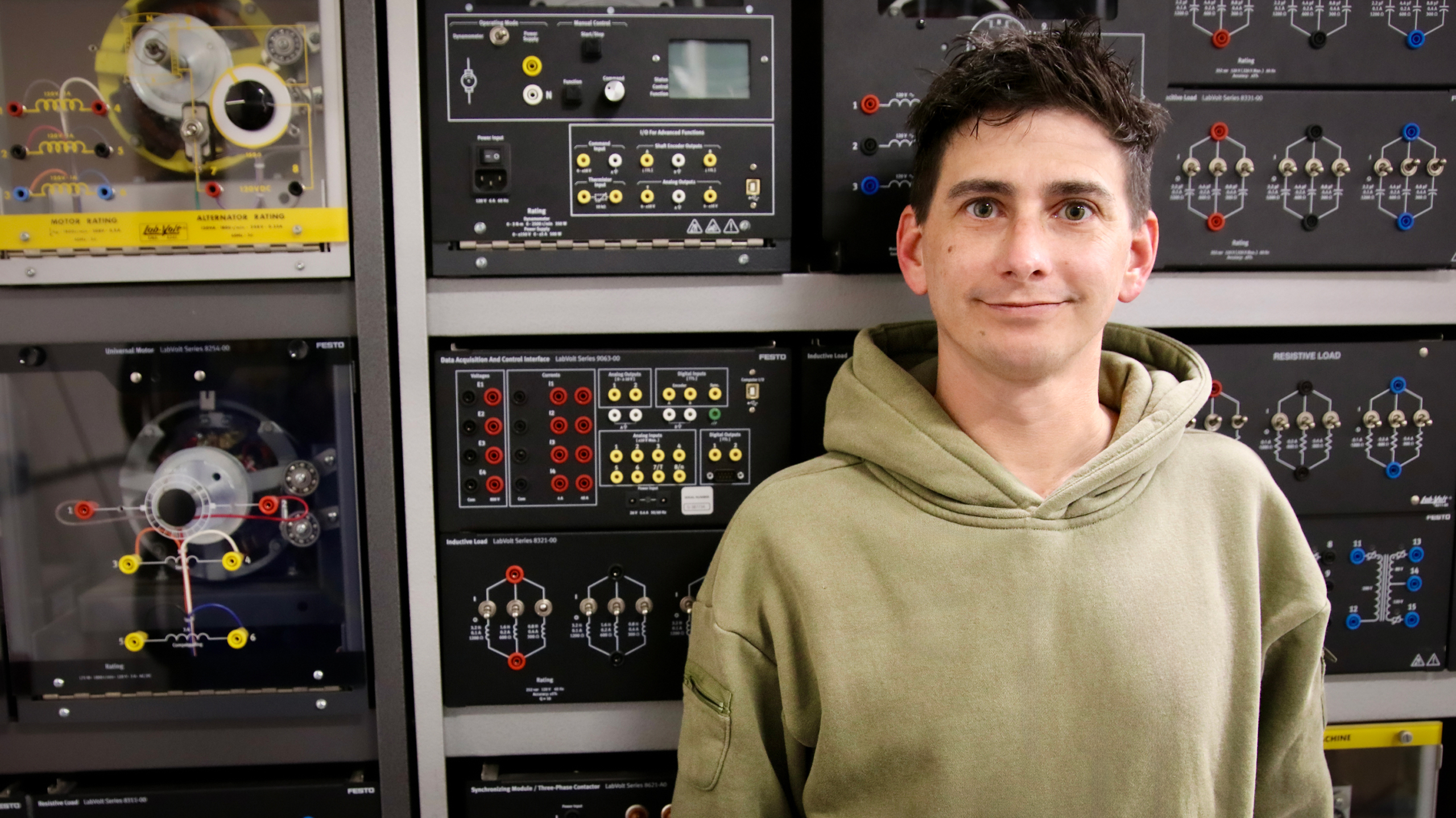
Michael admitted he wasn’t sure what to expect when he began the MEI program, even though he had prior exposure to similar equipment while working at Compass. Still, the few expectations he had were quickly exceeded.
“Everything lined up perfectly with my background as an operations specialist and an aviation maintenance administrator,” Michael said. “It really gave me back the skills I had once thrived in.”
Beyond rediscovering those skills, Michael said the knowledge he gained through the MEI program was a reward in itself—one he isn’t sure he could have found anywhere else. The program was challenging, but that only deepened his commitment to the work.
“Even now that I’m working in the data centers, my scope of knowledge is beyond some of the people there, and that’s very rewarding for me,” Michael said. “Especially coming from someone who’s had struggles in the past and felt limited in what I could do.”
Michael, along with the rest of the MEI Data Center Pathway program’s first cohort, received his certificate of completion from TSTC and Compass Datacenters on November 17, 2025.
Climbing Back Up the Ladder
During Michael’s time in the MEI program, an opening for a multi-skilled operator became available at Compass Datacenters in Red Oak. Despite his growing skills and progress in the program, Michael said he felt he was simply in the right place at the right time when he was offered the position.
“Everything lined up,” he said. “It was meant to be, because I’ve done nothing but thrive since then.”
Since graduating from the MEI program, Michael has been selected as one of a few employees to work on newer builds and equipment at his location. Although the projects are still under construction, he is eager to get started and takes pride in seeing his hard work recognized—especially by himself.
“I would like to be a site manager one day,” Michael said. “That’s my long-term goal. It’s gone from something I never thought was possible to something I have no doubt I can achieve—and that’s very rewarding.”
Michael describes himself as a family man and credits his wife and children as his greatest source of inspiration throughout his journey. His oldest son has already shown interest in his work at the data center.
“I know my family has seen the change in me over the last year,” Michael said. “It’s definitely made me a better father, and it’s made me a better husband overall.”