

Three years in the making
TSTC, AMR team up to train the next generation of paramedics
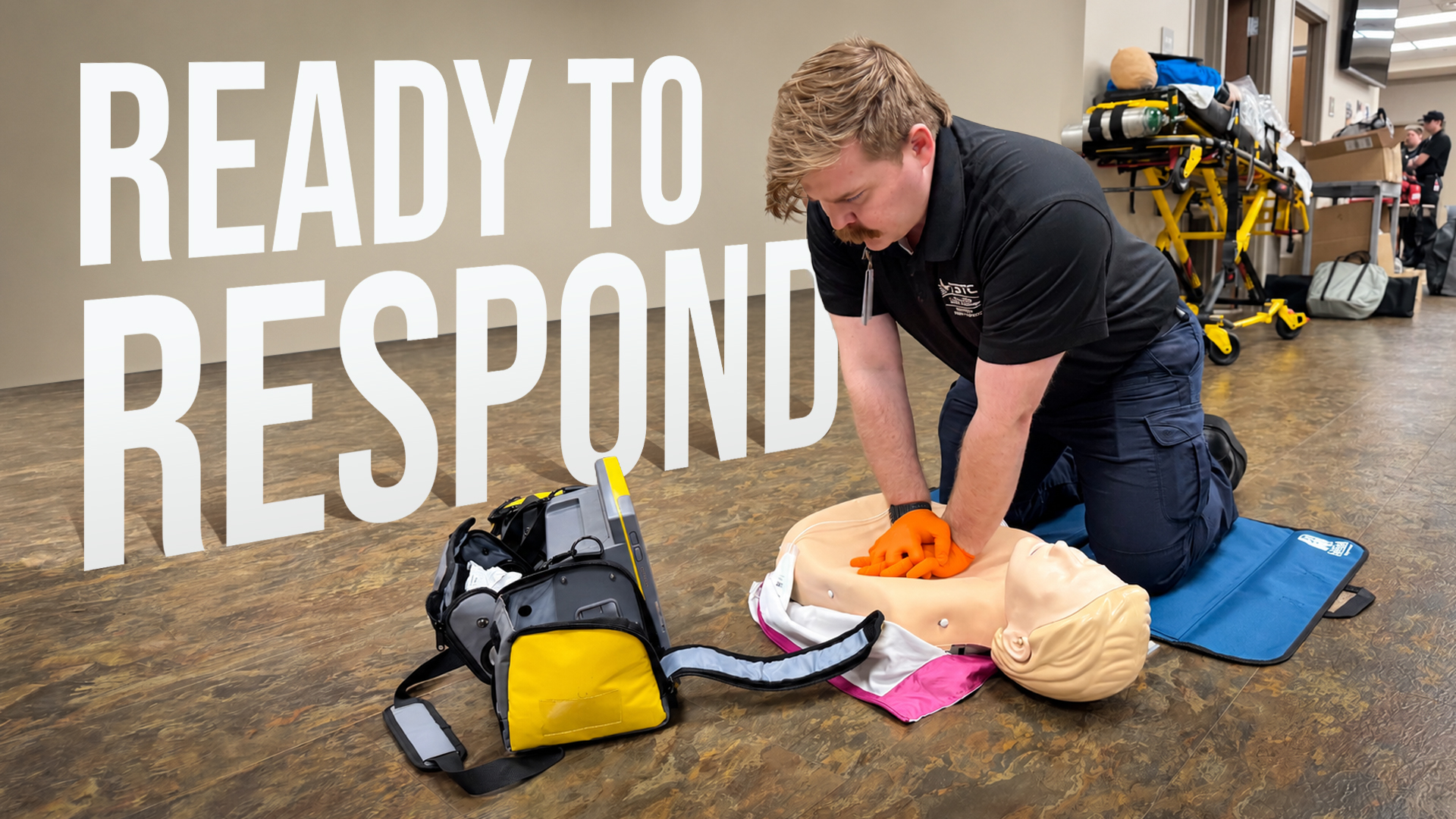
When training is needed, Will Hendon knows where to turn.
The Texas State Technical College alumnus has long supported the college’s Emergency Medical Services program. After graduating from the Abilene program, Will rose through the ranks to become regional director for American Medical Response (AMR).
When Will wanted his company’s emergency medical technicians to advance their careers and become paramedics, he faced a common hurdle: traditional paramedic training often takes up to two years, pulling first responders away from work and family.
To solve the problem, Will reached out to his alma mater. TSTC’s Accelerated Training Solutions answered with a tailored 42-week certified paramedic program.
“Will shared that he was looking for a program that offered more hands-on learning opportunities and real-world experience for AMR employees,” said Adam Wester, EMS workforce coordinator at TSTC. “This program was designed to deliver the high-quality, practical training students need while meeting the evolving needs of the EMS industry.”
Ashley Sims, TSTC’s director of alignment for Emergency Medical Services, has been working to establish the program for three years.
“Seeing it become a reality has been incredibly rewarding. This program has created a framework for how we can expand accelerated paramedic education across Texas and, ultimately, put more qualified paramedics into the workforce faster,” she said. “AMR has been an invaluable partner to TSTC throughout this process, and we are grateful for their commitment to helping us address the EMS workforce shortage. Together, we are creating new pathways for students to become paramedics and helping strengthen the EMS system across Texas.”
A Fast-Paced Pathway
The program began in May and will conclude in March with a coin ceremony for the graduates.
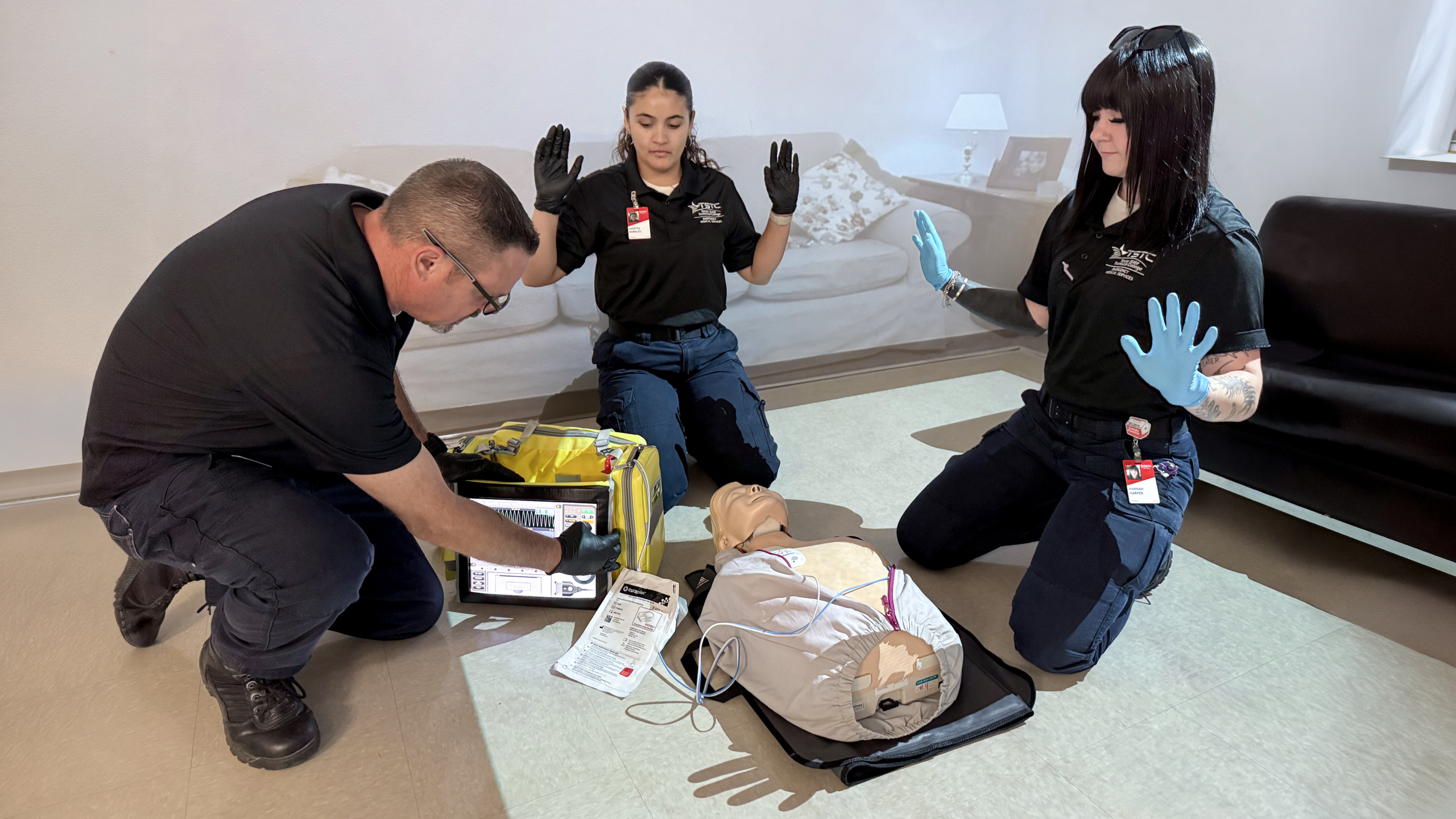
The 24 enrolled students complete the same rigorous coursework as traditional TSTC paramedic students, attending lab sessions, completing virtual lectures and participating in clinical rotations.
“We wanted to make this as intense as our regular classes, but at a speedier pace,” Adam said.
Students travel to West Texas from across the state, including Amarillo, Wichita Falls, Arlington and Waco.
“We hope to expand this program both east and south for other American Medical Response locations,” Adam said.
“Our employees are our greatest asset, and we are committed to helping them grow,” Will said. “By sponsoring our EMTs through this accelerated paramedic program, we’re creating an opportunity for them to advance without putting their lives or careers on hold. This is just one example of how AMR continues to invest in career development and build new pathways for the future.”
For Isaiah Mauricio, an EMT of 15 months at AMR’s Arlington location, becoming a paramedic was a long-standing goal. The accelerated schedule fits his busy life while providing a broader professional perspective.
“We get to see a lot of different perspectives and how their protocol can work with ours,” Isaiah said.
State-of-the-Art Simulation
Wayne Strong, an EMT of five years from the Waco area, said adjusting back to a classroom routine was a shift, but worth the effort.
“I am doing what it takes to make sure I can get on the national register,” Wayne said.
Wayne has been impressed with TSTC’s facilities and hopes to get behind the wheel of the campus’s centerpiece technology: an advanced ambulance simulator in Abilene.
“I really want the chance to drive it,” Wayne said.
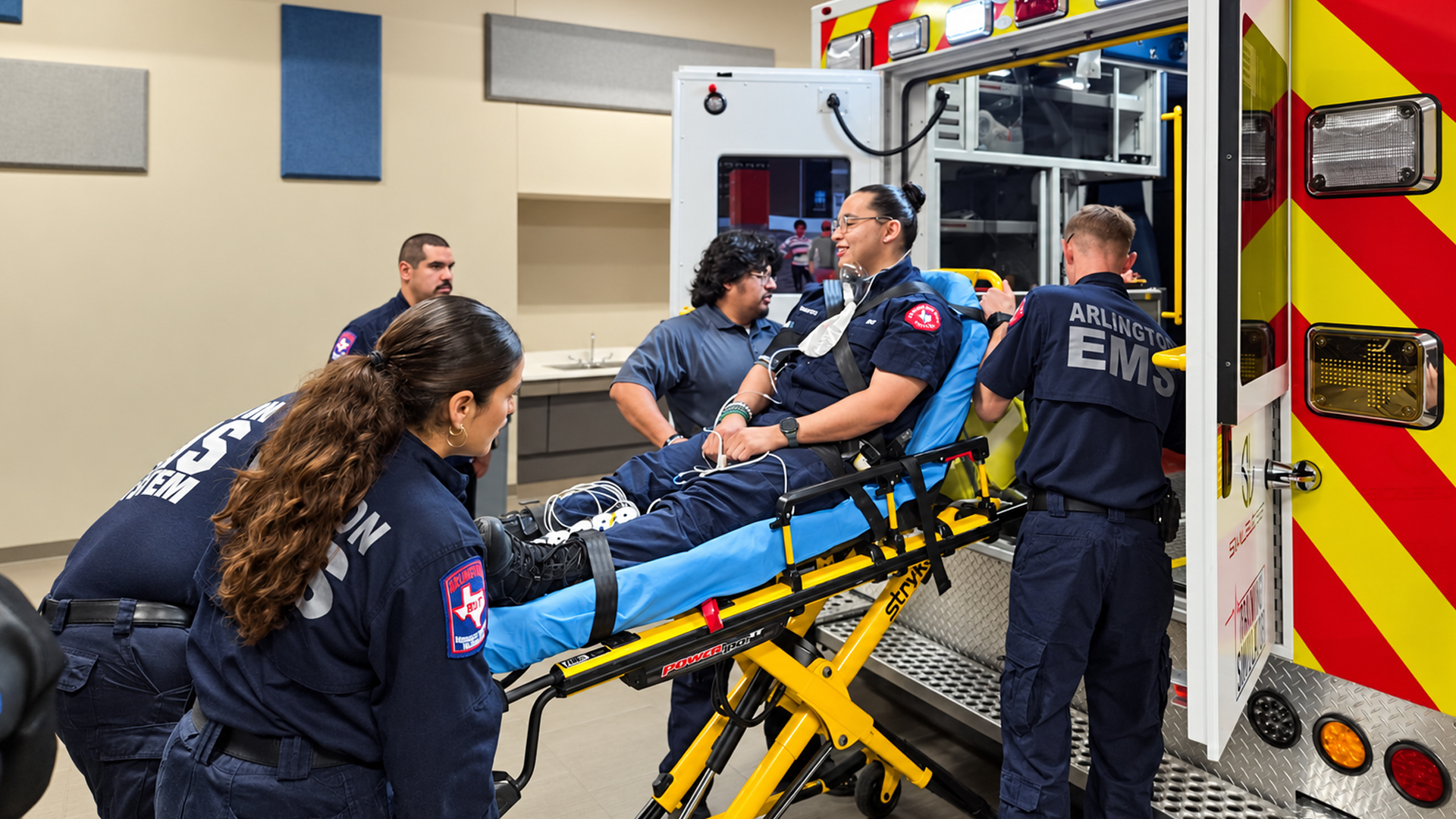
The simulator, used during training sessions to replicate real-world scenarios, is the first of its kind in North America. During exercises, one student treats a “patient” in the back of the ambulance while another drives. Instructors monitor the exercise on video screens and manipulate road conditions through computer programming—simulating icy skids or potholes to give students an authentic feel for driving and treating patients on the road.
Overcoming Obstacles
Christopher Smith, an EMT with 18 years of experience and a previous TSTC graduate, returned to campus and was struck by the college’s technological upgrades.
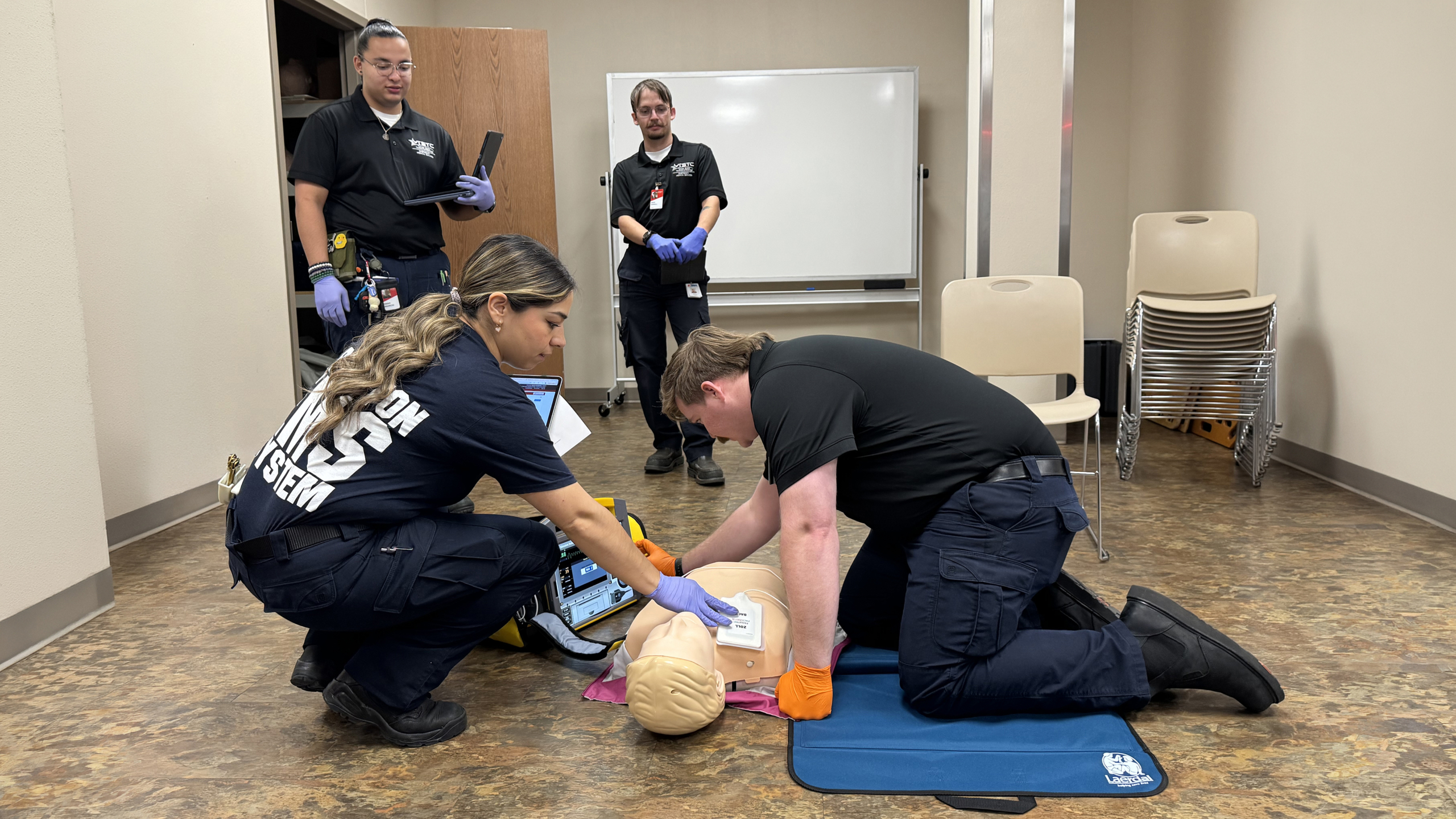
“The simulator and Immersive Lab are game changers,” Christopher said, noting that AMR’s flexible scheduling removed his former hesitation about returning to school. “AMR made this fit into my schedule, and it was the best time to do it.”
Shay Hand, an EMT in Amarillo with more than five years of experience, joined the inaugural cohort to take the next step in her career.
“Now is my chance to do it,” Shay said. “It is hard with having a family and working full time, but the program has been awesome.”
Shay credits the supportive environment for making the fast-paced program enjoyable.
“The instructors are amazing,” Shay said. “They are extremely helpful and knowledgeable.”
Through innovative partnerships like this, AMR—a leading provider of emergency medical services nationwide—and TSTC continue to deliver high-quality pre-hospital healthcare training to strengthen emergency response across Texas.