

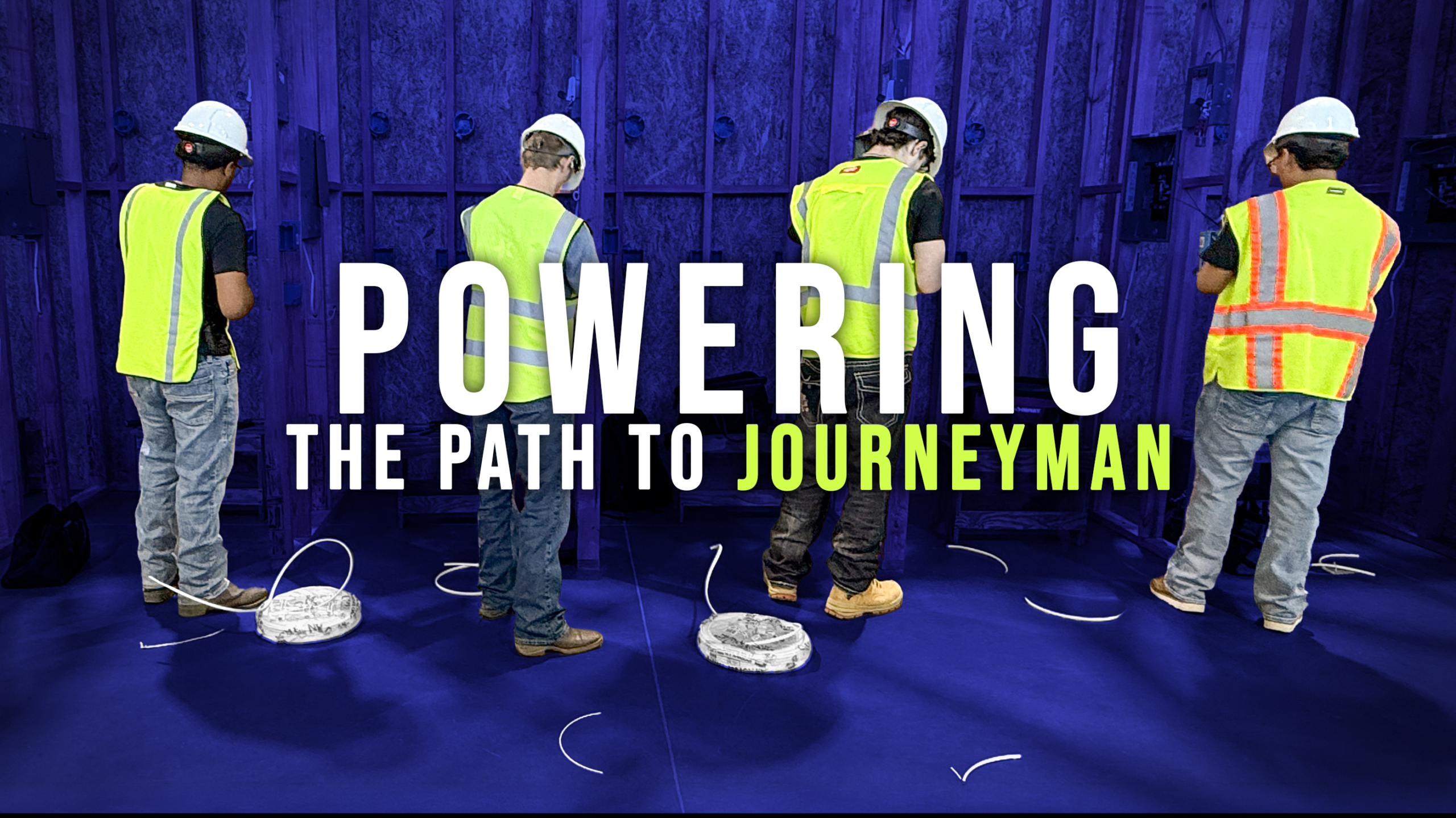
TSTC partners with TDLR to allow Electrical Construction graduates to sit for state exams
Students in Texas State Technical College’s Electrical Construction program will be eligible to sit for the state journeyman electrician examination as early as 2027.
The electrical training program is the first in the country to align with journeyman licensing requirements, said Karla Flanagan, TSTC’s associate vice chancellor for instructional alignment and innovation.
“This milestone reflects our commitment to meeting industry needs by accelerating the pathway to licensure and preparing a highly skilled workforce to meet the growing demand for qualified electrical professionals,” she said.
Typically, 8,000 hours are needed to take the journeyman test.
TSTC has worked with the Texas Department of Licensing and Regulation (TDLR) to recognize the competencies, knowledge and skills gained through its Associate of Applied Science degree in Electrical Construction as equivalent to 4,000 hours of on-the-job training, accelerating students’ pathway toward the journeyman license.
The mission of the TDLR’s Journeyman Electrician Education Program (JEEP) is to address the shortage of licensed journeyman electricians in the state.
“Input from TSTC and other stakeholders helped TDLR develop a rigorous, hands-on pathway that maintains safety and professional standards,” said Caroline M. Espinosa, the TDLR’s director of strategic communications. “TSTC’s technical expertise and experience preparing Texans for high-demand careers made it an essential partner in shaping a pathway that is both practical and rigorous.”
Students in TSTC’s certificate program are already able to sit for the state residential wireman electrician exam.
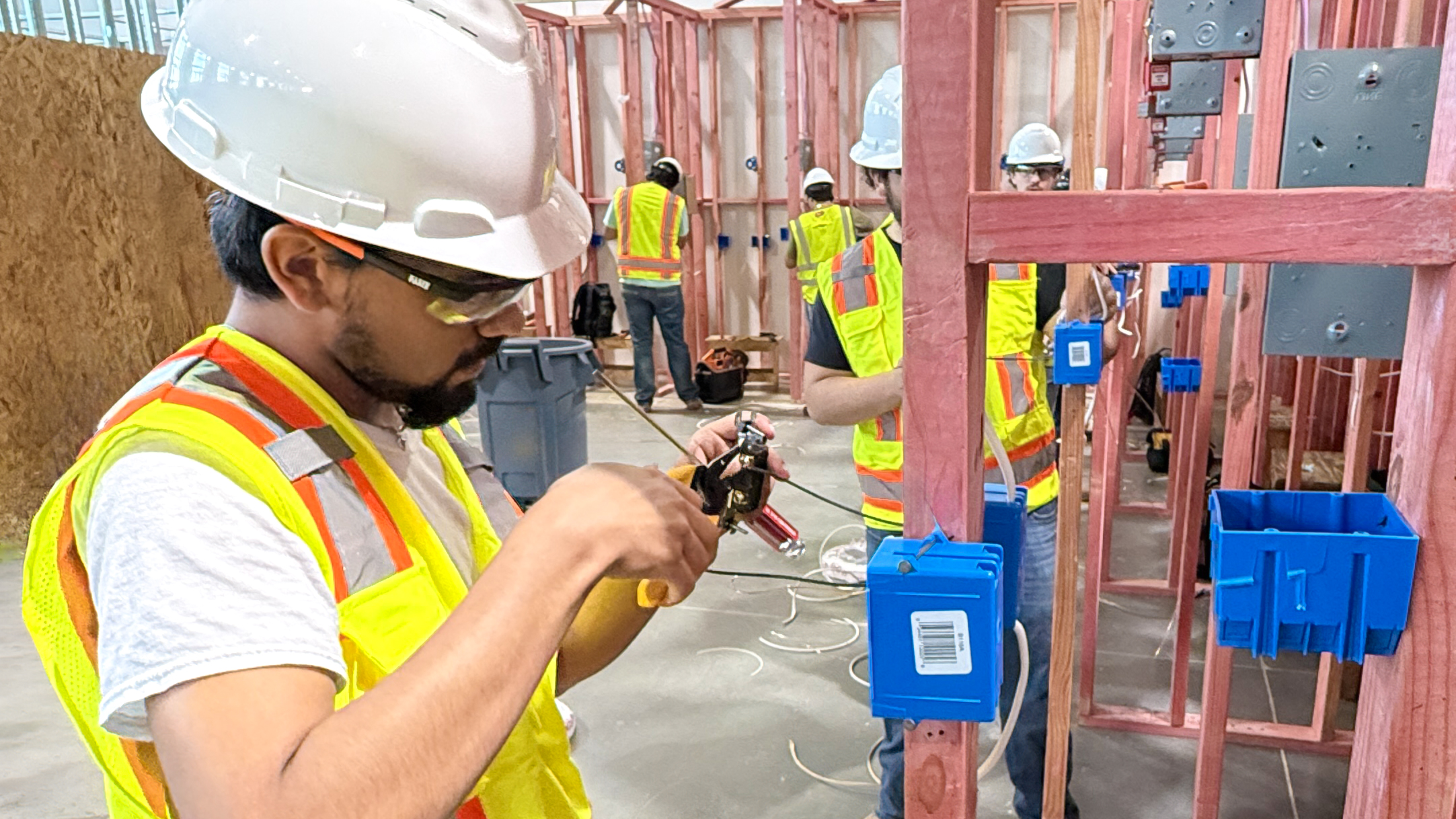
“We are encouraging students currently enrolled in the certificate program to consider continuing into the associate degree, which expands their career opportunities beyond residential wiring,” Flanagan said. “Both pathways provide valuable industry credentials, while the associate degree offers additional opportunities for career advancement and journeyman license.”
In May, Gov. Greg Abbott, along with leaders from BlackRock, announced a three-year, $30 million investment in the future of electrical work in Texas. The funding is through the BlackRock Future Builders Initiative, a national effort funded by The BlackRock Foundation. TSTC will receive a portion of this investment to grow the associate degree program. The funding will be used to increase instructional capacity, purchase equipment for instructional delivery, and provide scholarships to eligible students.
Waco campus students will be able to take the journeyman test starting in 2027. The initiative will be rolled out in the future to TSTC’s other campuses across the state.
According to the Texas Workforce Commission’s Texas Wages and Employment Projections, there will be a need for more than 87,400 electricians through 2034. The average annual openings are more than 8,100.
“There is a severe gap between the electricians retiring and the ones coming into the industry, TSTC is here to help,” Flanagan said.
Scott Norman, CEO of the Texas Association of Builders (TAB), said the shortage of electricians is real and growing more urgent as experienced workers retire and the demand for services continues. He said when homebuilders lose experienced electricians to other projects, costs and construction schedules are affected, with some projects being completed at least two months later than planned.
“A strong, skilled workforce is critical to keeping homes affordable, supporting Texas’ economic growth, and meeting the state’s rapidly expanding infrastructure demands,” Norman said.
James Macik, field operation director at Nemmer Electric Datacom AV in Waco, said about half of the company’s employees do electrical work. The company focuses on commercial and industrial projects. Macik is a member of the college’s Electrical Construction industry advisory panel.
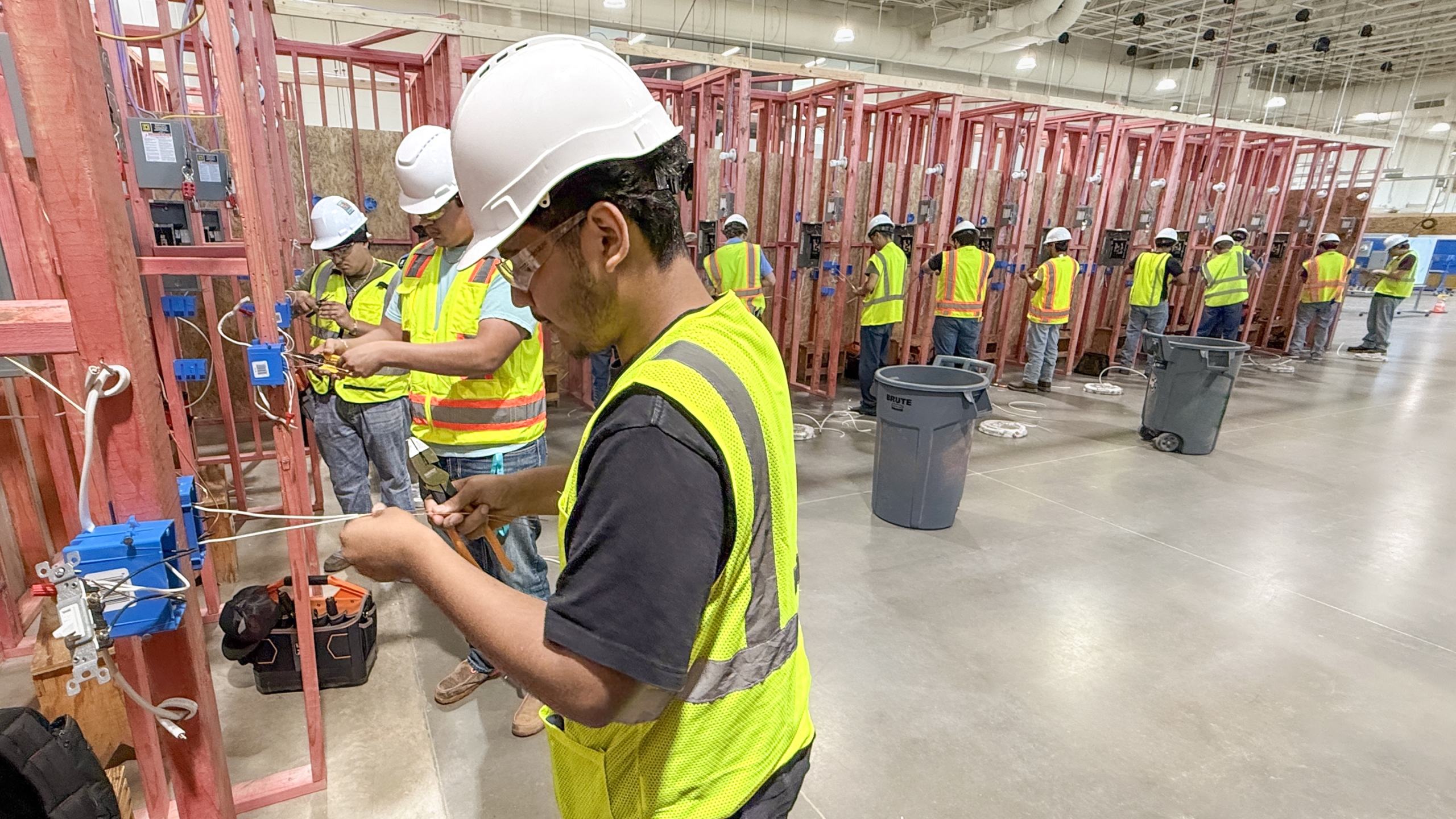
“That fluctuates with the amount of work we have,” he said. “I do use temp agencies also to help try to fill that void when we need more manpower on a job. I visit with as many as six different temp agencies to try to find people, and they are reaching out to the Dallas and Austin markets. The next step is going through the United States to pull electricians, which is a higher cost to us. Usually, there will be a per diem.”
Macik said he has seen a pattern in larger markets of people traveling between electrical jobs to do specialty work, such as installing conduit and testing.
“Conduit is an art,” he said. “It involves mechanical aptitude and you have some of the conduit exposed in bigger plants, so you want it all to look good.”
Macik said the Waco market is still small enough to where electricians find themselves doing all of the work required at a job site.
“On the electrical side, you are never going to get bored because you are going to different jobs and you run across different skills you may have or may not have to do,” he said. “You use different equipment. The code changes every three years, so you have to keep up with that. Technology is moving at lighting speed, so you have to keep up with that as well.”
Tim Jackson, chair of the TAB’s workforce development committee, said the industry needs to continue emphasizing that not every high school graduate needs to aspire to a four-year degree.
“Electrical construction offers young people the chance to earn while they learn, avoid significant college debt and build skills that will remain in high-demand,” he said. “That requires continued investment in modern training facilities like TSTC’s new Construction Technologies Center in Waco, along with strong partnerships among schools, contractors and industry organizations directly with apprenticeships, mentors and job opportunities.”
Registration is open for the spring semester at TSTC.