

Marching to Metadata: Zosia France’s Steps Toward Digital Forensics
Former Army signal support systems specialist turns military precision into a future in digital forensics at TSTC.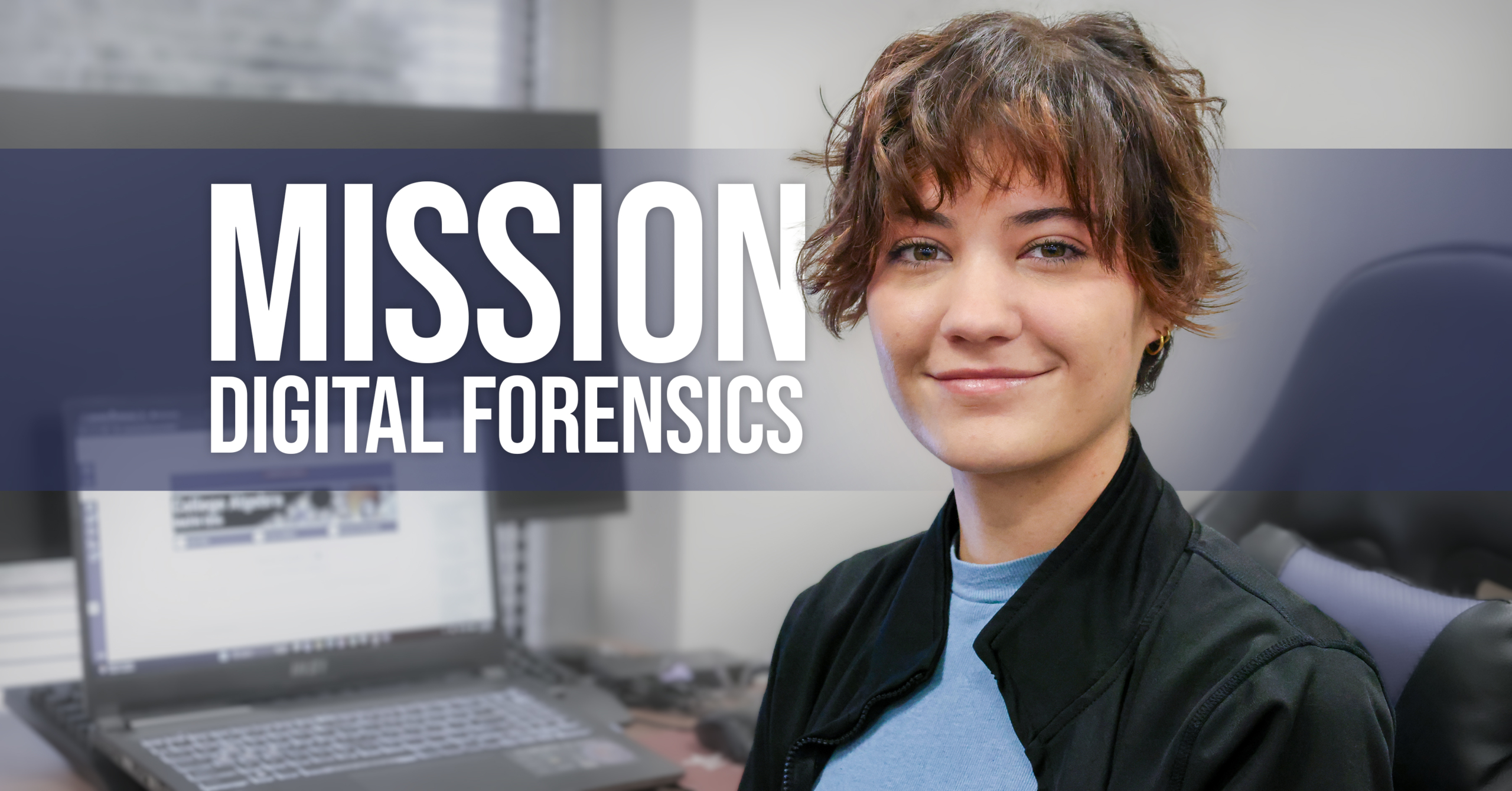
Zosia France’s back gave out before her resolve did.
After years as an Army signal support systems specialist, the 70-pound rucksack marches finally caught up with her. Now she’s trading military radios for digital forensics at Texas State Technical College, where precision still matters, but the weight is different.
The damage, including two compressed discs and nerve damage in both legs, ended her military career, but couldn’t stop her mission.
Retail and Returning to Civilian Life

After her discharge, Zosia had to find something new.
The back pain had become too much to ignore. Her interests aligned with cybersecurity, but she wanted to be certain before committing to a complete career change.
Her interest in cybersecurity wasn’t random. It grew from Zosia’s work as a signal support systems specialist, where she programmed radios and handled communications equipment.
The precision required to configure an $80,000 radio translated naturally to digital forensics, where one mistyped hash value could compromise an entire investigation.
Instead of powering on a computer in a cybersecurity lab, she gave herself time to think, working in retail for two years while she figured out her next move.
“I finally decided I might as well start doing something with my life,” Zosia said.
At the customer service desk, she handled all kinds of personalities and adjusted to a life less structured than what the military had ingrained in her.
Retail felt tedious at times.
“People expect you to be a machine. They don’t treat you like a human,” Zosia said.
The angry encounters blur together. Instead, she hung on to the customers who went out of their way to treat her like a person.
“There was one customer who would wait for me to be available to help with his orders,” she said. “I think he was a contractor. He liked dealing with me, and we respected each other.”
Retail was always temporary. By the end of her second year behind the counter, she was ready to trade a name tag for a student ID at Texas State Technical College.
From Rucksacks to Write-Blockers
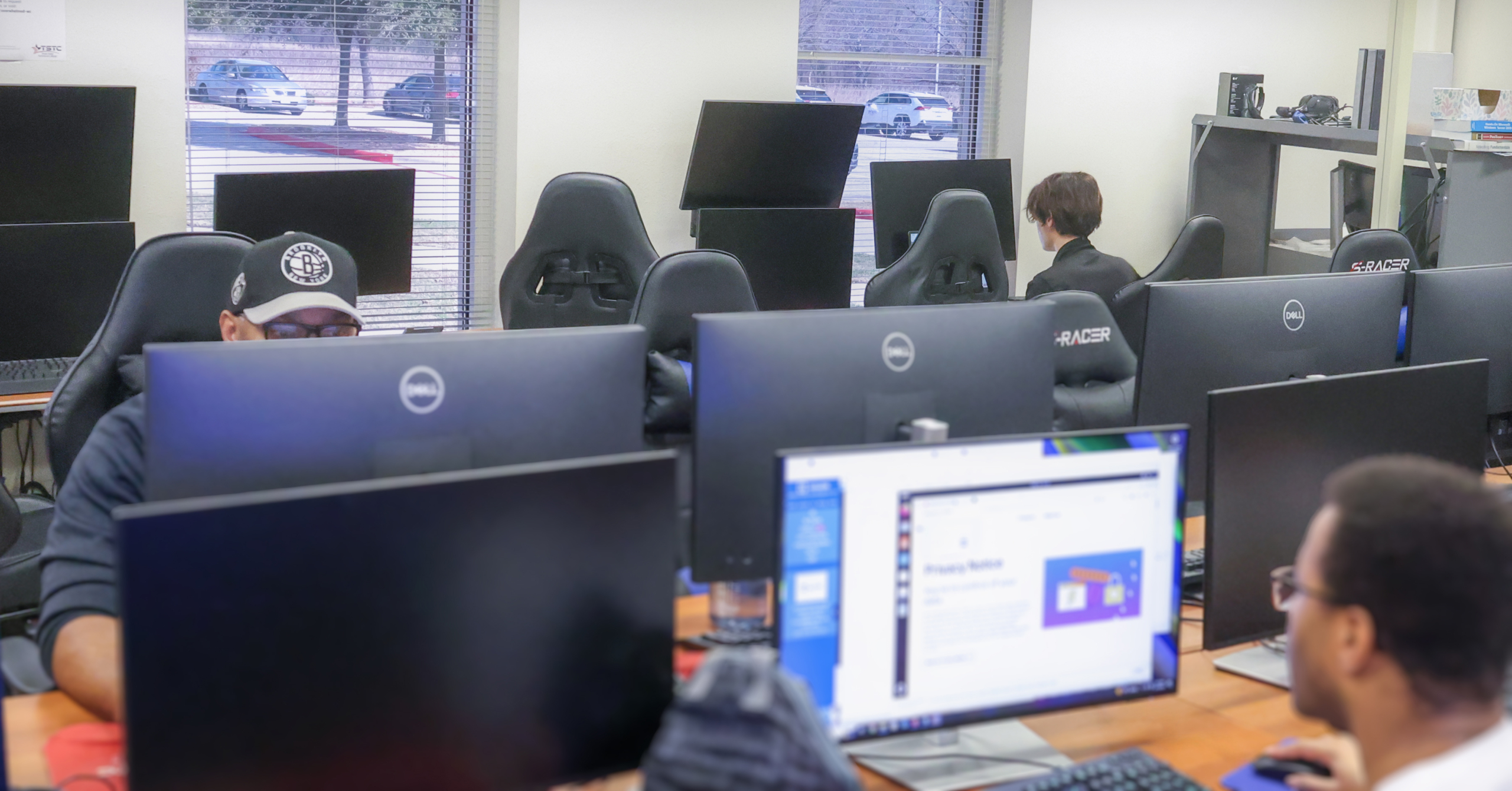
TSTC made sense. Zosia wasn’t crazy about traditional universities, and the cybersecurity program felt practical and focused, close to the work she’d done in uniform. Thanks to her military experience, she received credit for several courses, putting her on an accelerated timeline.
Life in the classroom was an adjustment. Zosia liked structure and deadlines, and she was learning to create her own.
“I can’t always rely on someone else to create structure for me,” she said.
The shift from military discipline to TSTC’s performance-based learning was jarring. There were no formations, no mandatory PT at 5 a.m., no drill sergeant setting the pace. She had to create her own deadlines, her own routine, a skill the Army never taught her.
“The lines are fairly close,” said Stuart McLennan, a cybersecurity instructor at TSTC. “On the front end, it’s prevention; on the back end, it’s preserving evidence and learning what you can about the attacker. It lines up well with digital forensics.”
Zosia’s resolve was tested in digital forensics. She studied for hours, but panic set in the moment she opened the scenario-based mastery exam.
“I studied tiny details, and it was like, nope. You have to infer from a whole scenario,” she said.
After coming up short in her first attempt, Zosia reworked her approach, focusing on how to think rather than what to memorize. The second time, she passed with a perfect score.
“Coming from her background, she’s been stretched to work more independently,” McLennan said. “She took what she learned, adjusted, and grew.”
As she moved through an accelerated course plan, the next steps came into focus. The technical work was starting to click. Zosia wanted to finish her associate degree and find work in digital forensics, a field that involves investigating cybercrimes and analyzing digital evidence.
“I know I won’t get there right away,” she said. “After my associate’s, I’ll work for a year, see what interests me most.”
She no longer shouldered a rucksack at dawn. Now it was the click of a write-blocker, the careful matching of hash values and the chain-of-custody log. A new kind of mission that felt just as important. Zosia’s military credit shortened the plan; the rest came from hours in the lab.
Rucksacks and Radios
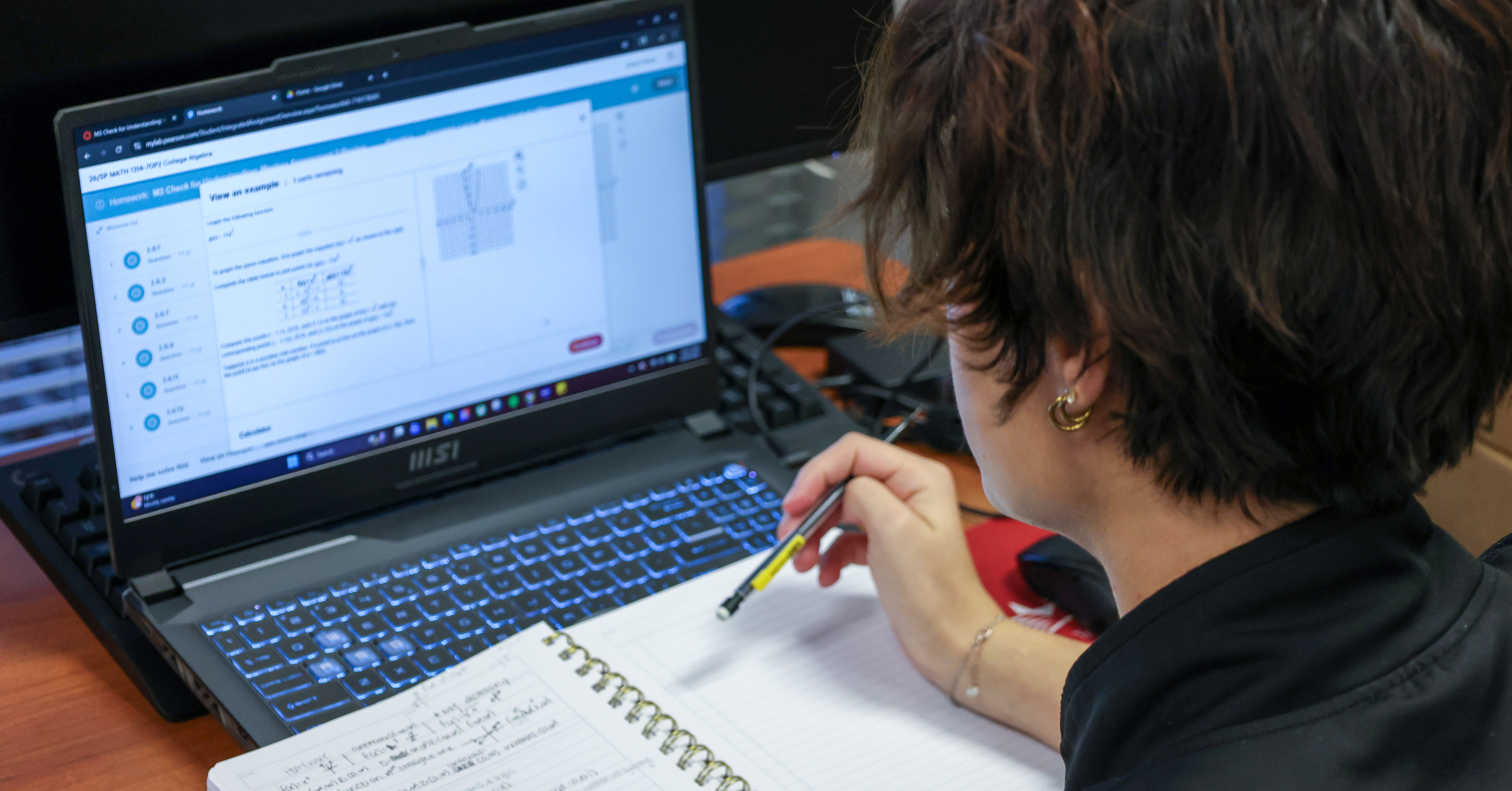
That habit of slowing down didn’t start in retail. It began when a single mistyped digit could tank a mission.
Before write-blockers and hash values, Zosia learned to handle frustration and pain step by step.
Basic training taught her the structure she would come to love. She found joy in the ability to prove herself in every detail, down to the boots on her feet.
“They gave you really crappy boots,” Zosia said.
As blisters and sores started to mount, she tried to protect her feet with adhesive bandages.
“I started breaking out — rashes, blisters,” she said.
She developed an allergic reaction to the adhesive bandages that were supposed to provide relief.
“My feet were raw, and I couldn’t put anything on them,” she said.
She finished basic on raw feet and learned that precision mattered even when everything hurt. That lesson would show up again, in a test that cost $80,000.
Static crackled through the radio. Just like every test she’d taken, Zosia felt nerves twist in her stomach. She had to program the radio. Programming the unit took 30 to 45 minutes of careful inputs, each frequency and digit exact.
There was no grading scale, no partial credit; it was pass or fail.
“If you mess up one number, one digit, it won’t work,” Zosia said.
She slowed down. Double-checked each entry. Passed. Years later, staring at a failed digital forensics mastery exam, she’d remember this moment: slow down, focus, try again. And she’d pass that, too.
Zosia is on track to graduate in December 2026, just 18 months after starting at TSTC. She still feels the weight of that 70-pound rucksack in the aches in her back, but those aches remind her to stay disciplined as she pushes toward her associate degree and a future in digital forensics, where her attention to detail and perseverance will help government agencies investigate cybercrimes and bring digital evidence to justice.