

Transportation
Texas runs on vehicles. Millions of cars travel its roads while trucks and heavy equipment keep goods and businesses moving across the state. But today's technician does far more than turn a wrench.
Modern vehicles depend on sophisticated electronics and computer diagnostics, creating demand for people who understand both the machine and the technology behind it. Partnerships with manufacturers provide specialized training and strong opportunities for you to land a job upon graduation and TSTC trains students directly on the equipment they'll encounter in the field.




The future of the industry
TSTC's training meets this demand
Training with the Manufacturers
TSTC works directly with vehicle manufacturers to bring their technology into the learning experience. Students can graduate with specialized training that gives them a head start when entering a dealership or service center.
Learn by Diagnosing the Problem
Students train by working directly with vehicles and equipment. They learn to identify problems and fix machines. TSTC's Diesel program focuses on diagnostics in heavy-duty systems.
Employers Come to TSTC
Transportation employers actively recruit from TSTC. Diesel students meet directly with companies through employer panels and industry events, and TSTC reports that some employers hire students as early as their second semester.
1 / 3
There are 22 million registered vehicles in Texas
Envision your future through the experiences of our graduates.

“TSTC gave me the confidence that I could do the job. Not just learning it, but doing it in the classroom and then performing it and going, ‘Oh wow, I really can do this job.”
Bus, Truck & Diesel Engine Specialists
$56,780
Median Salary
Envision your future through the experiences of our graduates.
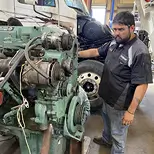
“A lot of the odds and ends of the things I do at work are the same as in the lab.”
Automotive Service Technicians & Mechanics
$46,800
Median Salary
Train on the machines you'll meet on the job
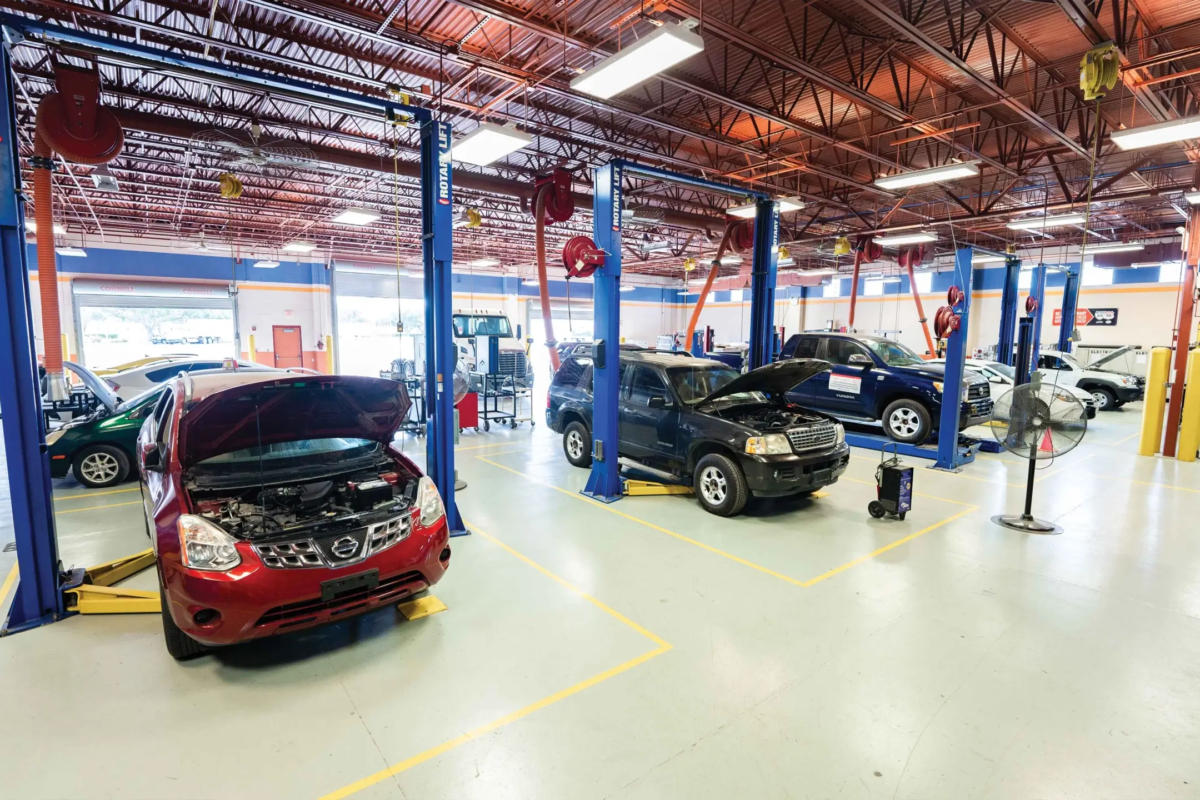
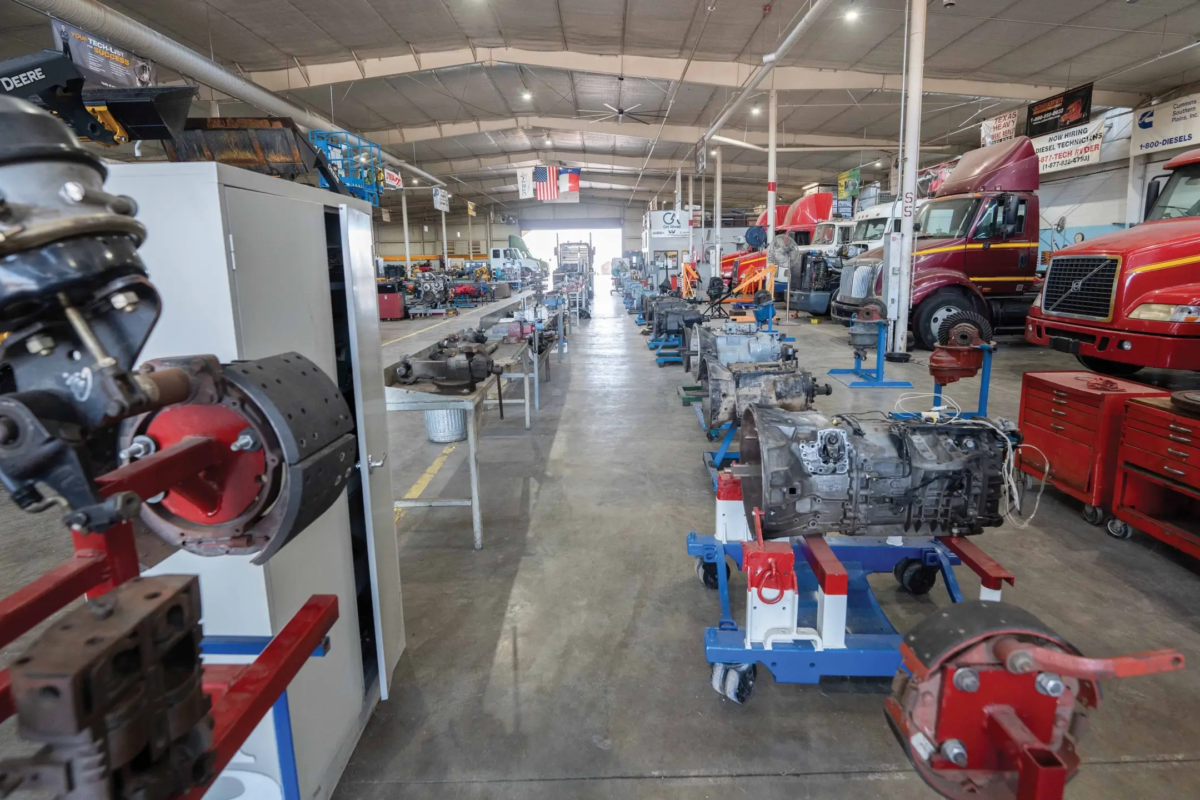
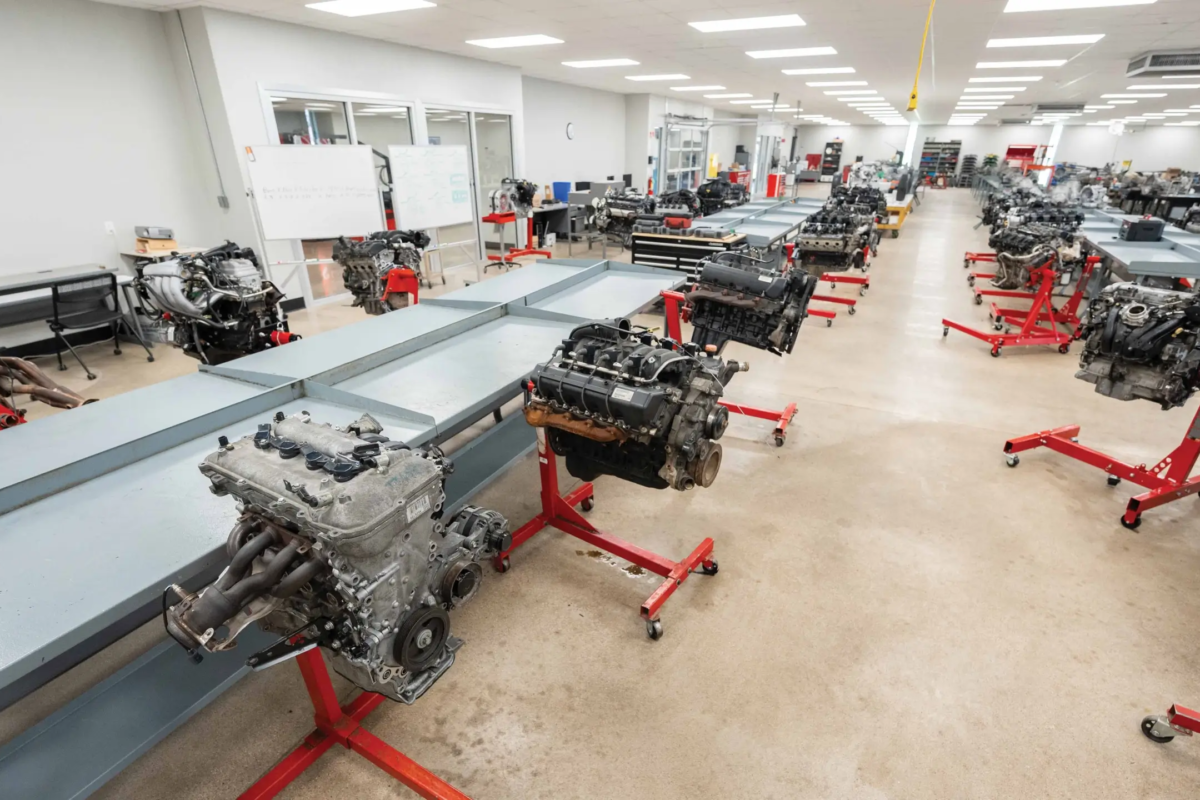
TSTC transportation labs are built around hands-on work with actual vehicles and equipment. Students diagnose problems and make repairs using the same kinds of systems they'll encounter in professional shops. New investments, including Marshall's 21,720-square-foot Diesel Power Technologies Center, are expanding access to advanced equipment and training technology.
1 /
3
Sweetwater // Automotive Lab
Hands-on training in automotive systems
Sweetwater // Automotive Lab
Sweetwater // Automotive Lab