

(WACO, Texas) – Chilly winter days bring an array of vegetables that can warm up meals.
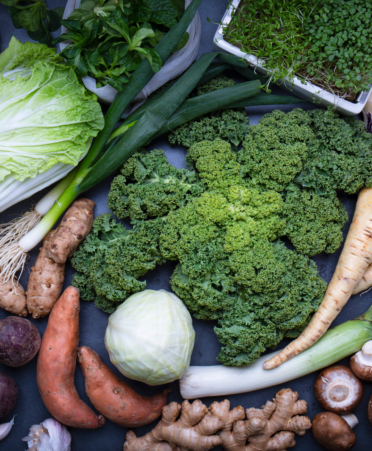
The new year beckons with collard greens, mustard greens and kale, along with cauliflower, carrots, radishes and turnips, showing up at farmers markets and on grocery store shelves.
Texas ranks in the top 10 nationally for vegetable production. The state has four regions that are home to vegetable growing: East Texas, the High Plans, the Rio Grande Valley, and the Winter Garden region south of San Antonio, according to Texas A&M AgriLife Extension.
Rachel Esquivel, a family and community health agent at McLennan County’s Texas A&M AgriLife Extension in Waco, leads sessions focusing on healthy aspects of cooking. She said buying in-season allows consumers to benefit more from freshness and nutrients the body needs, along with supporting local growers when able.
Nathan Sheasby, an instructor in Texas State Technical College’s Culinary Arts program in Sweetwater, said students at his campus and at the Waco campus work in vegetable-specific labs in the program’s first semester. The vegetable knowledge is what they will build on while in the program.
“We give chef notes along with what they are doing and how they can do interchanges,” he said.
Sheasby said versatility is a key in being creative with winter vegetables. One of his favorite vegetables is mushrooms.
“I will use them in any single thing I can in the winter, especially in steak dishes,” he said. “You can use portobello mushrooms as a burger. You can use dry shiitakes from the grocery store as seasoning if you shave them for a pizza or a steak.”
Sheasby said sweet potatoes also have several uses, including oven-roasting or steaming them for brownies, cheesecake and pancakes.
Sheasby said asparagus can be used a myriad of ways, from steaming to grilling and pairing with bacon, pancetta, poached eggs or prosciutto. Parsnips, turnips or rutabagas can be mashed, while the sugar in beets can be reduced down and pureed to create a dessert syrup.
Lyanna Cintron, a Culinary Arts instructor at TSTC’s Sweetwater campus, said carrots can be made to mimic bacon.
“I started doing it when I was looking for healthier choice options,” she said.
Cintron said carrots are peeled into ribbons and brushed with a mixture of agave and cane sugar. She creates a spice combination of garlic, turmeric or pepper to pour onto the carrots. When the carrots are baked, they become crispy.
For more information on TSTC, go to tstc.edu.